
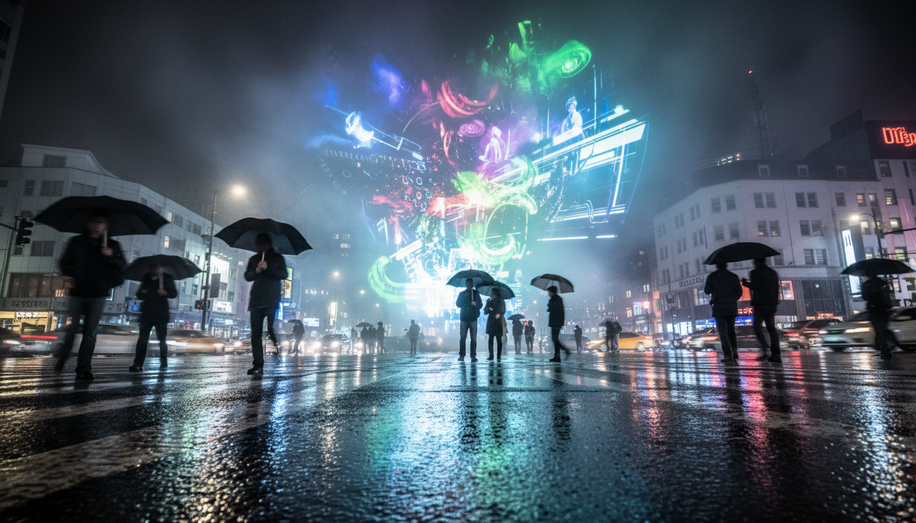

In the bustling heart of Singapore, a bus shelter transformed into a portal of joy during Coca-Cola’s 2016 “Taste the Feeling” campaign. Passersby posed for photos through Coke-themed filters, instantly generating shareable GIFs and unlocking QR-coded vouchers for free drinks, sparking a surge in social media buzz and redemptions that proved interactivity could turn fleeting glances into lasting connections. This moment exemplifies the seismic shift in out-of-home (OOH) advertising, where brands are ditching static billboards for immersive, temporary spectacles that demand participation and forge emotional bonds far beyond augmented reality gimmicks.
Gone are the days when OOH relied solely on bold visuals or digital screens. Today’s campaigns engineer real-world encounters that hijack urban spaces, blending physical immersion with sensory surprises to create unforgettable narratives. McDonald’s UK mastered this with weather-responsive digital displays promoting frozen drinks: screens activated only when temperatures topped 22 degrees Celsius, displaying city-specific heat alerts above 25, delivering hyper-relevant enticements that boosted summer sales through timely, contextual relevance. Such tactics elevate OOH from passive observation to active dialogue, capitalizing on unpredictability to embed brands in daily life.
Experiential OOH thrives on surprise and scale, often hijacking environments in ways that compel documentation and sharing. Dreamies cat treats brought feline mischief to London’s streets with hand-painted 3D sculptures of cats scaling building facades and dangling from balconies, mimicking real pet antics to illustrate their “Cats Will Do Anything” slogan. These lifelike installations became instant photo magnets, turning commuters into unwitting ambassadors as images flooded social feeds. Similarly, HOKA’s Mafate X sneaker launch turned a Manhattan block into a fleeting desert track for two days, complete with sand, wind, rocks, and a Unreal Engine-powered treadmill where runners experienced dynamic landscapes shifting in real-time to their pace. Day transitioned to twilight, with the setup doubling as a massive 3D billboard during downtime, blending endurance testing with cinematic visuals to position the shoes as trail conquerors.
These temporary takeovers underscore a key evolution: ephemerality amplifies urgency and exclusivity. Unlike permanent installations, pop-up spectacles like PLUS supermarkets’ real-life Monopoly game in a Dutch town invited residents to bid on streets and buildings, gamifying public spaces to spark community rivalries and conversations that rippled online. Or consider Hjärtat’s anti-smoking push in Sweden, where smoke detectors at digital signs triggered coughing avatars precisely when smokers lingered nearby, delivering a visceral, resonant rebuke that cut through denial with uncanny timing. By syncing with human behavior or environmental cues, these activations create “unavoidable visibility” that lingers in memory, driving shares and cultural chatter.
Sports venues have become crucibles for such innovation. At SoFi Stadium, Samsung’s Infinity Display—the largest digital sports signage—immerses fans in seamless visuals, promoting its tech while offering ad space that capitalizes on captive audiences amid roaring crowds. The Dallas Cowboys amplified this at AT&T Stadium with “Pose with the Pros” kiosks, where AR overlaid virtual players onto fan selfies, shareable via social or email, turning game-day excitement into personalized trophies. These aren’t mere screens; they’re participatory arenas that extend the thrill of live events, fostering loyalty through co-created moments.
Even skincare brands are conquering rugged terrains. Kiehl’s 2026 Alpine campaign layered OOH billboards and lift-line posters with a pop-up for free skin analysis and samples, crowned by a three-day influencer takeover sharing raw, adventure-fueled content. This multi-touchpoint blitz—blending static ads, tactile experiences, and digital amplification—catapulted brand awareness among thrill-seekers, proving experiential OOH’s power in niche, high-engagement contexts like ski resorts. Decathlon echoed this with massive 3D snorkel mask installations in The Hague and Amsterdam, evoking underwater worlds to mark the Easybreath’s tenth anniversary, drawing crowds to high-traffic hubs.
What unites these triumphs is a rejection of superficial tech like basic AR overlays in favor of holistic sensory engagement. Piz Buin’s sunset-activated billboards revealed UV-induced burns under blacklight, merging environmental data with stark visuals to hammer home sunscreen’s necessity without a word. Coca-Cola’s “Happiness Machines”—vending units dispensing not just drinks but flowers and pizza upon hugs—generated millions of shares by infusing public spaces with whimsy and reciprocity. The result? Audiences don’t just see ads; they live them, transforming brands into conversation starters.
This experiential pivot yields measurable wins: heightened engagement, viral amplification, and deeper recall. Clear Channel’s bus shelter metrics from Coke’s campaign showed spiked social traffic and redemptions, while weather-tied or behavior-triggered formats like McDonald’s and Hjärtat’s ensure relevance that static media can’t match. As 2026 unfolds, with trends like street furniture integrations and guerrilla activations gaining traction, brands must prioritize audacious, human-centered designs that surprise, involve, and endure.
Yet success demands precision. Campaigns flourish when rooted in cultural context—solving real problems, like IKEA’s weather-responsive outdoor seating prompts in chilly Stockholm, or tapping nostalgia via pop culture nods. Temporary by design, these experiences evade ad fatigue, inviting fresh discovery each encounter. For OOH pros, the mandate is clear: craft worlds within worlds, where every interaction whispers, “This brand gets me,” ensuring buzz that echoes long after the installation vanishes. In an era of digital saturation, these tangible spectacles remind us why physical presence still commands the soul.