
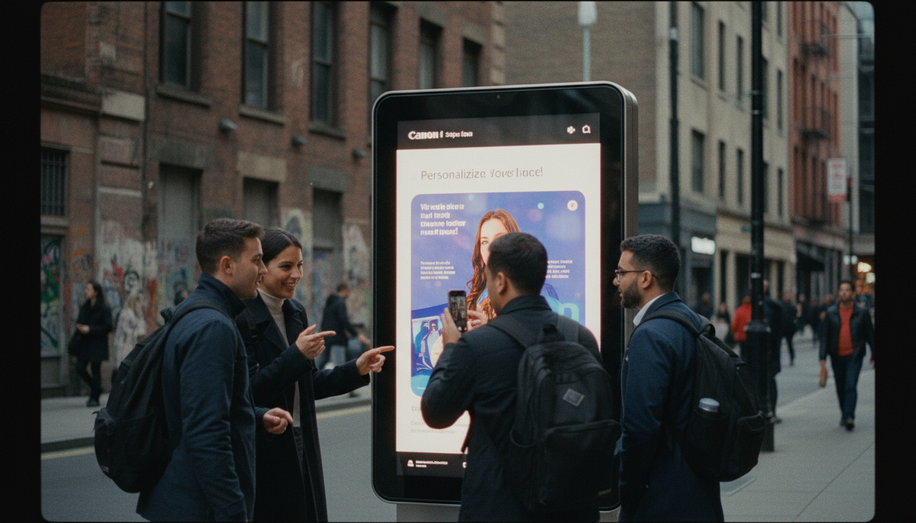

In the bustling heart of a city intersection, a digital out-of-home (DOOH) screen flickers to life, seamlessly shifting from promotions for steaming hot lattes during the morning rush to ads for iced refreshers as the afternoon sun climbs high. This isn’t random chance or manual intervention—it’s artificial intelligence at work, powering hyper-relevant content personalization that transforms static billboards into dynamic conversationalists with passing audiences. Gone are the days when out-of-home advertising relied solely on prime site selection; AI now delves deeper, enabling real-time adaptation to demographics, time of day, weather patterns, and even local events, delivering messages that feel tailor-made for the moment.
At the core of this evolution is dynamic content optimization (DCO), a technology fueled by AI that analyzes vast streams of data to adjust visuals, copy, and calls-to-action on the fly. Consider a fashion retailer in a transport hub like Madrid’s interchanges: during peak commuter hours, screens target young professionals with ads for quick gym sessions featuring muscle-building classes, while evenings bring promotions for yoga and pilates aimed at older crowds winding down. Environmental cues amplify this precision—rain triggers raincoat displays, scorching heat prompts light summer blouses, and a nearby stadium event cues sportswear deals, all automated without human oversight. Such responsiveness stems from AI’s integration with sensors and IoT devices, which feed real-time inputs like temperature, traffic flow, and atmospheric conditions directly into content algorithms.
Demographic personalization takes it further, leveraging smart cameras equipped with facial recognition to gauge age, gender, and even mood, cataloging reactions to refine future rotations. A screen at an electric vehicle charging station, for instance, might show evergreen ads highlighting seating or acceleration when no cars are present, but switch to targeted pitches upon detecting drivers matching a brand’s profile. This data-driven approach extends beyond visuals; generative AI tools like ChatGPT or AdCreative.AI craft persuasive copy tailored to audience segments—disruptive, slang-filled text for youth campaigns or polished professionalism for executives—while optimizing for DOOH’s unique formats, from massive LED walls to kiosks.
Programmatic DOOH (pDOOH) supercharges these capabilities, using AI to automate buying, placement, and budgeting based on predictive analytics. Platforms sift historical performance, real-time audience data, and mobility patterns to select optimal screens and slots, such as prioritizing student-heavy corridors during school rush for language academy ads. The result? Campaigns that not only reach the right eyes but drive measurable outcomes: one EV brand saw a 517% surge in unaided awareness, 33% lift in consideration, and 8% sales increase from AI-optimized displays. Another initiative at EV stations and smart kiosks boosted website visits by 60% and quote requests by 33% in a single week, proving hyperlocal relevance translates to tangible ROI.
Advertisers aren’t the only beneficiaries; screen operators gain from AI assistants that streamline workflows. Tools like FRAMEN’s platform or Adomni’s Jeen AI match campaigns to locations, generate localized creatives from simple prompts, and manage content curation at scale, slashing time-to-market and design costs. For providers, this means intuitive CMS controls that automate playouts, while omnichannel integration—pairing DOOH with mobile geofencing or social retargeting—creates unified experiences across touchpoints.
Yet, AI’s real-time prowess raises the bar for accountability. Advanced analytics link exposures to foot traffic, conversions, and engagement metrics, allowing mid-campaign tweaks via platforms like APPcelerate. Predictive modeling forecasts trends, from consumer shifts to event-driven spikes, ensuring proactive planning rather than reactive fixes. Privacy considerations loom large, with anonymized data processing becoming standard to balance personalization with ethical standards.
As 2026 unfolds, AI-powered DOOH is no longer a novelty but the industry standard, bridging physical and digital realms for immersive, interactive futures. Augmented reality overlays and QR-driven engagements beckon, but the foundation remains clear: by responding instantly to who, when, and where, AI delivers not just ads, but conversations that captivate and convert. In an era of fleeting attention, this hyper-relevance is redefining outdoor advertising’s potential, one intelligent screen at a time.