
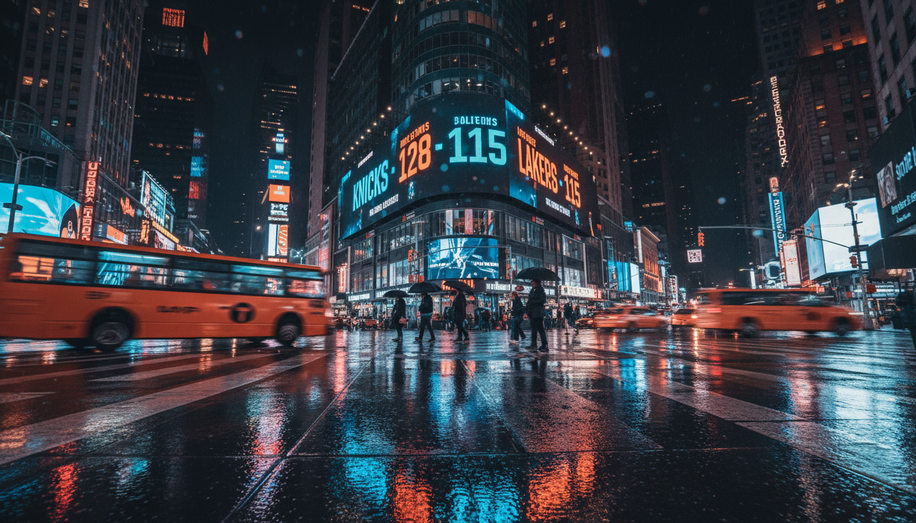

Digital billboards have long transcended their static predecessors, evolving into sophisticated platforms capable of real-time content adaptation that captures fleeting commuter attention. While weather-triggered ads—such as promoting hot beverages on chilly days—have become commonplace, the true revolution lies in leveraging live traffic data, breaking news feeds, sports scores, and trending social topics to deliver hyper-relevant messaging beyond environmental cues. This dynamic creative optimization (DCO) harnesses programmatic technology to transform billboards from passive displays into responsive storytellers, boosting engagement by up to 38% through personalized impact.
At its core, DCO breaks down ad creatives into modular components—headlines, images, calls-to-action—that reassemble on the fly based on live data streams. Marketers upload a master asset to a supply-side platform (SSP), define triggers, and let algorithms select the optimal variation for each impression. For instance, during peak rush hour, traffic APIs can feed congestion data to a billboard, prompting it to swap generic retail promotions for ads highlighting nearby stores or delivery options, driving immediate footfall. Samsung’s campaign across 50 Malaysian roadside billboards exemplified this, using real-time traffic insights alongside dayparting to rotate 105 variations—morning commutes emphasized productivity features, while evening slots targeted relaxation—yielding 3 million impressions and validated consumer patterns.
Extending to news feeds elevates relevance further. Imagine a digital billboard near a major highway intercepting live headlines: if a stock market surge dominates, financial services ads could dynamically insert ticker updates or tailored investment pitches, resonating with professionals en route to meetings. Platforms like Perion’s Hivestack integrate such feeds, pulling from RSS or APIs to ensure content aligns with the zeitgeist without manual intervention. This approach moves DOOH from broad awareness to contextual persuasion, where a breaking political event might trigger civic engagement ads or, conversely, pivot to entertainment escapes during tense moments.
Sports scores offer another fertile ground for real-time dynamism. Billboards proximate to stadiums or fan-heavy routes can sync with live APIs from leagues, altering displays based on game outcomes. A local brewery might show victory celebrations with crowd-sourced cheers if their team scores, or pivot to “next game’s on us” consolation offers post-loss, fostering brand loyalty amid heightened emotions. Broadsign and similar controllers enable this seamless integration, where scores influence not just visuals but sequencing—sequential messaging guides viewers from awareness (score recap) to action (pub directions). Such tactics exploit the billboard’s physical immediacy, turning passive drives into interactive narratives that linger in memory.
Trending topics from social media amplify cultural currency. Platforms monitor Twitter or TikTok surges, injecting viral memes, hashtags, or challenges into ads. A fashion brand could overlay a billboard with real-time mentions of a celebrity endorsement spiking online, displaying location-specific store links to capitalize on the buzz. Screenverse’s VP Montana Accavallo notes this scales “personalized storytelling across diverse out-of-home environments,” generating hundreds of variations from demographic, behavioral, and psychographic data for unmatched precision. Unlike static campaigns, this DCO layer tests multivariate elements—A/B on copy, imagery, even CTAs—in real time, optimizing for the moment’s pulse.
Implementation remains straightforward yet powerful. Advertisers identify triggers like traffic volume, news sentiment, score thresholds, or trend velocity, then configure rules within DSPs or SSPs. Geo-fencing refines this, tailoring to hyperlocal contexts—urban billboards react to subway delays with ride-share promos, while suburban ones sync with school sports results. Advanced setups incorporate machine learning for granular personalization, maintaining cross-channel consistency from DOOH to mobile. Results speak volumes: dynamic DOOH not only lifts relevance but optimizes spend, as platforms like Perion fine-tune delivery via live analytics, ensuring peak performance during high-traffic windows.
Challenges persist, including data privacy and latency, but anonymized aggregates mitigate risks while edge computing minimizes delays. Forward-thinking networks invest in robust APIs and AI to preempt issues, positioning DOOH as a full-funnel powerhouse—from top-of-funnel buzz via trends to bottom-funnel conversions via traffic-driven urgency.
Ultimately, dynamic content optimization propels digital billboards into the interactive era, where live data beyond weather crafts unmissable moments. Brands ignoring this evolution risk fading into the visual noise, while pioneers like those wielding Perion or Screenverse tools redefine outdoor advertising as a living, breathing medium that meets audiences precisely where they are—physically and contextually. As programmatic DOOH matures, expect even deeper integrations, from event calendars to sentiment analysis, cementing billboards as indispensable in the data-driven marketing landscape.
For brands looking to master this responsive storytelling, platforms like Blindspot offer the essential toolkit. Its programmatic DOOH campaign management empowers advertisers to seamlessly integrate live data triggers for dynamic creative optimization, while real-time performance tracking and ROI measurement ensure every impression delivers maximum contextual impact and demonstrable return on investment. Explore how to elevate your DOOH strategy at https://seeblindspot.com/