
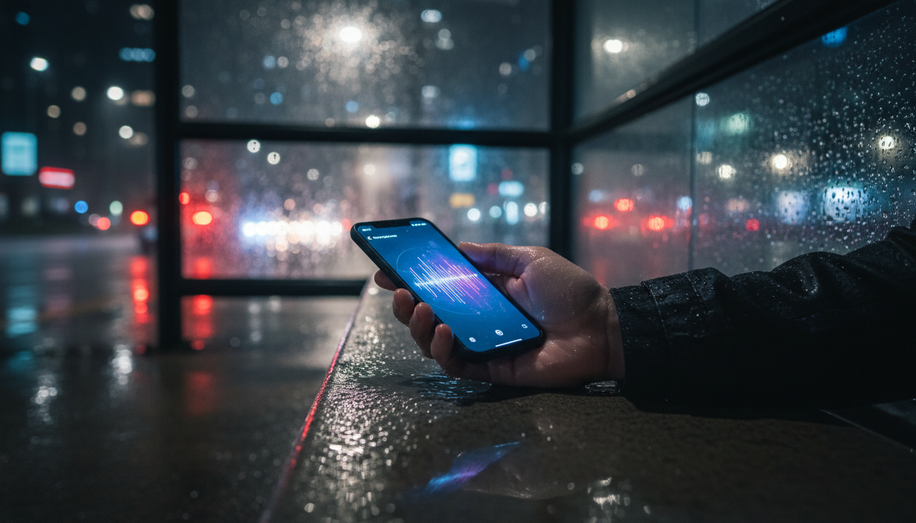

In the bustling corridors of supermarkets, train stations, and city streets, out-of-home (OOH) advertising is evolving beyond static visuals into a symphony of senses, where sound emerges as the unsung hero driving deeper consumer engagement. Audio integration—through companion apps, localized broadcasts, and interactive installations—transforms passive billboards into immersive experiences, capturing attention in environments saturated with visual noise. Brands are leveraging this multi-sensory approach to not only reach on-the-go audiences but to propel them toward immediate action, turning ambient spaces into personalized soundscapes that resonate long after the encounter.
Audio out-of-home (AOOH) has gained traction by embedding ads into everyday audio streams, such as in-store music, podcasts, and streaming services, allowing precise targeting at the point of purchase. Retail giants like Target and Lowe’s have rolled out media networks that pipe branded messages through overhead speakers, reaching shoppers mid-aisle with tailored promotions. Programmatic platforms amplify this precision: The Trade Desk, for instance, enables advertisers to insert dynamic audio spots into Spotify, Pandora, or iHeartMedia streams, often paired with companion display ads for omnichannel reinforcement. Similarly, DAX synchronizes audio with location data, delivering hyper-local ads within a one-kilometer radius of retail sites or attractions, blending outdoor inventory from partners like Vistar Media and Hivestack.
This fusion of sound and place creates what experts call “spatial audio experiences,” where audio doesn’t just accompany visuals but enhances them contextually. Vibenomics, a pioneer in location-based AOOH, partners with Vistar Media to offer programmatic buys that hit consumers in supermarkets or salons, dynamically inserting ads into curated playlists. Quotient extends this reach through Place Exchange, targeting over 16,000 U.S. stores like Albertsons and CVS, where audio prompts nudge shoppers toward impulse buys. The result? Measurable lifts in conversions, as sound bridges the “last mile” to purchase, according to Place Exchange’s chief commercial officer.
Interactive installations take AOOH further, crafting bespoke soundscapes that demand participation. In New Zealand supermarkets, Ogilvy’s campaign for All Good Fair-Trade Bananas employed Audio Spotlight directional speakers, beaming messages only to those standing directly in front of the display—like a whisper from the shopper’s own conscience. Sales surged over 130 percent, proving sound’s power to personalize without intrusion. JCDecaux’s OUIbot in Paris train stations paired digital screens with voice interaction, offering humorous ticketing assistance that engaged over 100,000 passengers. Meanwhile, a Swiss tourism push at Zurich Central Station invited yodelers via an onscreen virtual host, where audio exchanges turned heads and secured vacation bookings.
Companion apps unlock even greater potential, syncing mobile audio with OOH visuals for seamless extensions. AudioGO’s self-serve platform lets brands target by demographics, genres, or zip codes across 100 million U.S. listeners on smartphones and smart speakers, with real-time monitoring for on-the-fly tweaks. Genius Monkey layers audio ads with attribution tracking, aligning spots to listener behaviors and pairing them with retargeting banners. Stingray’s retail music network, integrated with Hivestack, delivers contextually relevant audio that complements in-store visuals, enhancing the shopping ambiance without overwhelming it.
These innovations address urban challenges: noise pollution, short attention spans, and ad fatigue. Audio-enabled DOOH, as seen in Adomni’s deployments, blends into environments via IoT media players, creating immersive ripples that boost sales—like the American Dairy Association’s 4 percent milk uplift from a holiday campaign across 50 Indiana locations. Vibenomics’ plug-and-play systems even monetize retailers’ airwaves, sharing revenue while transforming overhead chatter into profit centers.
Yet success hinges on subtlety. Effective AOOH avoids overstepping, favoring directional tech or app-based delivery over blanket broadcasts. As programmatic tools mature—echoed in 2026 strategies from platforms like Rambunctious Rhino—brands must prioritize data privacy, contextual relevance, and performance metrics to sustain trust. The Trade Desk’s expansions and DAX’s geo-sync exemplify how audio elevates OOH from interruption to invitation.
Looking ahead, hybrid setups blending AOOH with voice assistants and AR could redefine public spaces as dynamic soundscapes. Imagine a billboard triggering a personalized podcast snippet via a companion app, or installations that adapt audio based on crowd mood detected by sensors. Early adopters like Graubünden’s yodel challenge show the viral potential: sound shocks, delights, and converts. In an era of sensory overload, OOH’s auditory evolution isn’t just innovative—it’s essential for forging emotional connections that visuals alone can’t achieve. As consumers navigate 2026’s hyper-connected world, those brands mastering this sonic layer will not only be heard but remembered.