
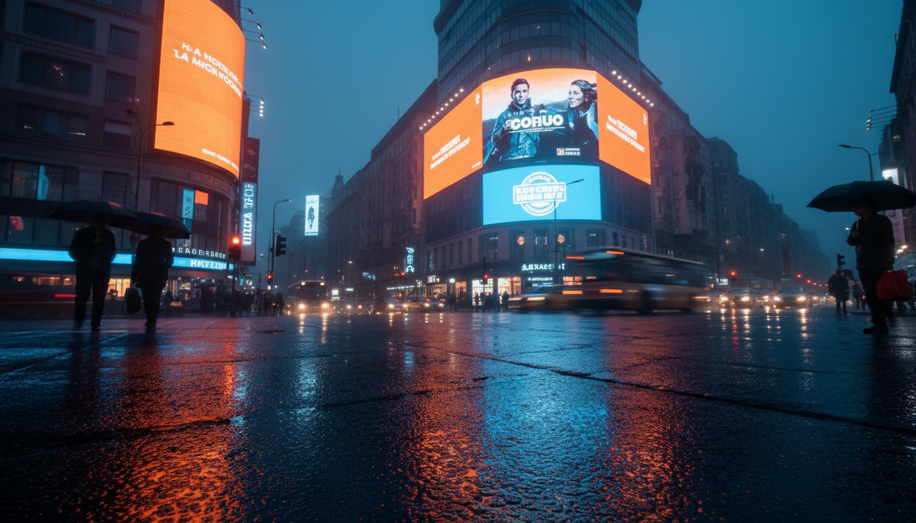

\n\nIn the bustling streets of modern cities, where digital billboards flicker to life and screens in gyms, offices, and convenience stores capture fleeting glances, programmatic digital out-of-home (DOOH) advertising is reshaping the out-of-home (OOH) landscape with unprecedented speed and precision. This evolution from static, manually negotiated campaigns to automated, real-time ad buying platforms allows brands to deliver hyper-relevant messages exactly when and where audiences are most receptive, blending the massive scale of traditional OOH with the data-driven agility of digital advertising. No longer bound by rigid contracts or weeks-long planning cycles, advertisers can now bid for inventory in milliseconds, targeting commuters with morning coffee promotions or gym-goers with fitness gear as they walk in.
At its core, programmatic DOOH automates the entire media buying process through specialized platforms that connect demand-side buyers with supply-side screen owners, much like online programmatic ecosystems but tailored for physical displays. Advertisers set parameters—such as audience demographics, location data, weather conditions, time of day, or even foot traffic levels—and the system executes purchases in real time when those criteria align. For instance, a highway billboard might activate a rain-themed ad for umbrellas only during downpours with high traffic after 5 p.m., ensuring impressions land when relevance peaks. This shift eliminates the inefficiencies of traditional OOH, where brands paid premium fees for fixed four-week slots, including low-value times like 4 a.m., wasting budgets on irrelevant exposures.
Precision targeting stands out as one of the most transformative benefits, enabling marketers to reach specific personas based on behavioral patterns, first-party data, or third-party audience segments. Unlike broad-strokes traditional OOH, programmatic platforms layer in mobile location data to build audiences—such as frequent gym visitors or office workers—delivering tailored creatives that resonate in the moment. A health brand could promote protein shakes precisely when fitness enthusiasts enter a gym, while retargeting those same viewers via mobile for sustained engagement. This audience-centric approach not only boosts relevance but also extends campaigns across channels, with 76% of DOOH viewers reporting post-exposure actions like website visits when paired with digital follow-ups.
Dynamic creative optimization takes this further, allowing ads to adapt on the fly without manual intervention. Screens can swap in nearest store locations, live sports scores, local weather, or countdowns to promotions, creating one template that generates countless variations automatically. Imagine a retailer’s billboard updating with real-time inventory for nearby outlets or a beverage brand flashing event-specific messaging during a local festival—the result is higher brand exposure on high-impact displays that command 88% monthly attention from passersby. Such contextual relevance, amplified by video and stunning visuals, makes messages unmissable in high-dwell areas like offices and transit hubs.
Speed is another game-changer. Campaigns that once required coordinating middlemen and long lead times can now launch, pause, or adjust within hours—or even the same day—responding to breaking news, weather shifts, or viral trends. Small businesses benefit immensely, accessing premium billboards without minimum spends, long-term contracts, or phone negotiations, scaling from a single ZIP code to national reach seamlessly. This flexibility optimizes ad rates too: pay only for prime slots when conditions match, slashing waste compared to fixed traditional bookings.
Measurement, long a weak spot for OOH, now rivals digital channels with reliable metrics on impressions, foot traffic lift, brand perception, and online engagement. Programmatic tools track who sees ads, how often, and the downstream impact, enabling evidence-based optimizations like split-testing placements or creative rotations. Brands can even tie DOOH to omnichannel strategies, reusing assets across platforms and measuring holistic lift through mobile retargeting or QR codes.
Challenges persist, including data privacy concerns and the need for standardized measurement, but the trajectory is clear: programmatic DOOH is no longer emerging—it’s integral to modern media mixes. As inventory grows with more connected screens, it promises higher ROI through enhanced targeting, exposure, and agility. For advertisers, this means connecting with audiences in the physical world as intimately as online, revolutionizing OOH into a dynamic force that drives real-world actions. The revolution is here, turning every screen into a smart, responsive canvas.