
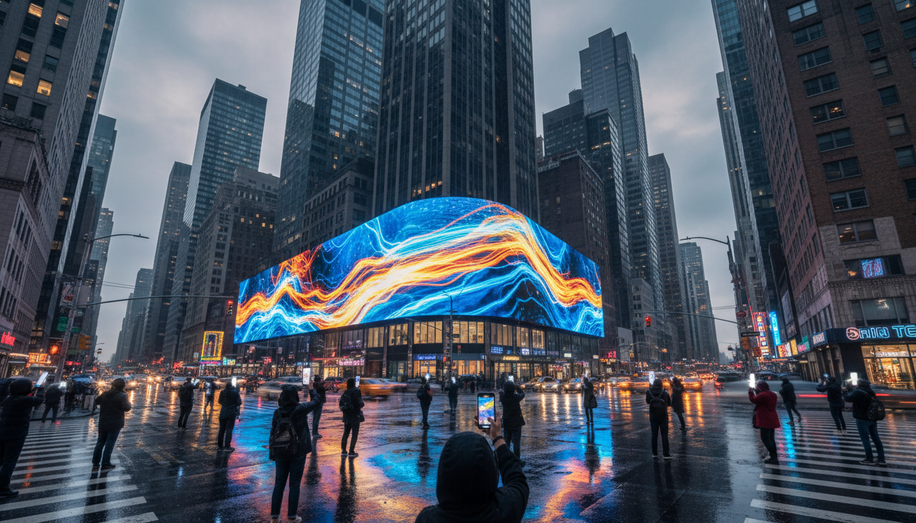

Out-of-home advertising is no longer confined to static billboards standing alone in urban landscapes. In 2026, the most effective OOH campaigns are those that seamlessly blend physical media with digital channels, creating integrated experiences that reach consumers across multiple touchpoints in their daily lives. This convergence represents a fundamental shift in how brands approach audience engagement, moving away from siloed media strategies toward cohesive, data-driven campaigns that leverage the strengths of both worlds.
The integration of digital out-of-home (DOOH) technology has accelerated this transformation dramatically. DOOH is now forecasted to comprise 45.2% of total OOH budgets by 2028, up from just 22% in 2016, driven by programmatic buying capabilities and advanced screen technologies that enable real-time personalization. Unlike traditional static billboards, digital screens in transit hubs, retail environments, gyms, and entertainment venues can dynamically adjust messaging based on location, time of day, and audience composition. A digital billboard might change creative depending on the estimated audience mix in real time, or trigger coffee advertisements when temperatures drop. This precision transforms outdoor media from a one-size-fits-all channel into a targeted tool comparable in sophistication to digital platforms, yet without their inherent trust and privacy concerns.
What makes this hybrid approach particularly compelling is how it addresses the fundamental weaknesses plaguing digital-only advertising strategies. Advertisers are increasingly abandoning digital channels plagued by saturation, fragmented audiences, and eroding trust, turning to OOH for its tangible, unskippable presence in real-world environments. Social feeds overflow with content, linear TV continues to fragment, and performance metrics grow harder to trust as auction pressures drive up costs while reach diminishes. In this fractured landscape, OOH offers what pure digital cannot: consistent, geographic-based reach without platform fragmentation, delivered at scale without requiring dozens of fragmented platform buys.
The true power of hybrid OOH campaigns emerges when attribution bridges physical and digital experiences. Modern measurement frameworks consistently demonstrate that billboard exposure influences downstream digital behavior, including search lift, site traffic, and foot traffic patterns. A consumer might first encounter a brand on a transit billboard during their morning commute, then see retargeted digital ads on social media or search engines later that day. Geofencing technology enables even more sophisticated integration, allowing marketers to serve location-based digital ads to people who pass near venues or related events, effectively blurring the line between physical and digital targeting. This creates a cohesive customer journey where each touchpoint reinforces others, multiplying campaign effectiveness.
For event marketers specifically, hybrid models have proven transformative. Geographic segmentation strategies direct local audiences toward in-person attendance through traditional and digital OOH channels, while simultaneously promoting live streams to global audiences through digital advertising. This dual approach has generated record engagement: Tomorrowland’s 2025 partnership with TikTok attracted 74 million unique virtual viewers over its weekend, while the 2023 Coachella festival’s live stream drew approximately 3.1 million concurrent online viewers, far exceeding the 100,000 on-site attendees. The physical presence amplified by digital reach creates powerful FOMO across borders, driving both immediate conversions and long-term audience loyalty.
Brand building in 2026 increasingly prioritizes authentic, in-person consistency that outlasts individual campaigns, positioning purpose as a compass for outdoor advertising strategies. When OOH campaigns integrate cleanly with digital touchpoints, they reinforce brand narratives across environments where consumers spend their time, from their morning transit to retail locations to entertainment venues. This holistic presence delivers measurable results: recent findings highlight premium lifts exceeding 88% and improved top-of-mind availability when OOH integrates effectively within broader media mixes.
As 2026 unfolds, the question for brands is no longer whether to choose between OOH and digital channels, but how to architect campaigns that make both stronger together. The future belongs to advertisers willing to invest in sophisticated targeting, advanced screen technologies, and integrated measurement frameworks that treat physical and digital media as complementary components of a unified strategy. In doing so, brands reclaim attention, prove real-world impact, and thrive in a media environment where physical media’s relative strength continues to grow.