
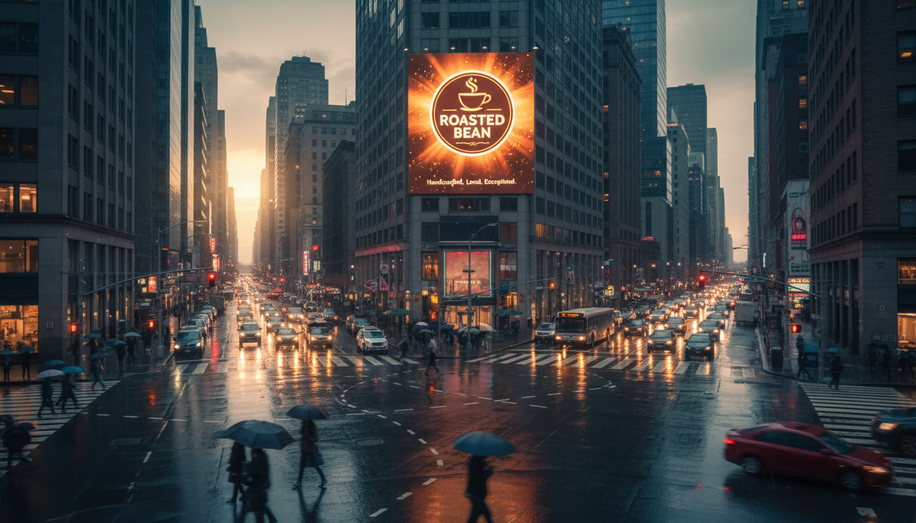

In the competitive landscape of out-of-home (OOH) advertising, where billboards, bus shelters, and digital screens vie for fleeting glances from passersby, local partnerships have emerged as a strategic powerhouse. Collaborating with neighborhood businesses, community organizations, and regional influencers doesn’t just extend the reach of OOH campaigns—it amplifies their resonance, turning passive impressions into active engagements and loyal customer bases.
Consider the classic case of Bass Pro Shops, which transformed its Springfield, Missouri, flagship into more than a retail outpost by weaving in local conservation efforts and community ties. This integration not only differentiated the brand from national competitors but also built instant credibility among locals who already trusted the partnered initiatives. The result? A store that serves as both a shopping destination and a community landmark, fostering enduring loyalty through genuine regional involvement. Such partnerships leverage established local trust, introducing OOH advertisers to new audiences who view the collaborating brand as an authentic endorsement rather than a cold pitch.
One of the most tangible benefits lies in expanded visibility and targeted reach. OOH formats like roadside billboards and transit ads already excel at high-traffic exposure, but pairing them with local partners supercharges this effect. When a restaurant teams up with a nearby gym for a joint promotion displayed on arterial route billboards or Asda digital screens, the message hits commuters and shoppers who frequent both spots, weeding out irrelevant impressions and boosting conversion rates. An Arbitron study underscores this potency, revealing that 32 percent of drivers visited a business advertised on a billboard within a week— a figure that climbs when the ad spotlights a familiar local tie-in, such as a co-branded event or shared sponsorship. Local advertising inherently targets specific demographics, from urban commuters to event-goers, ensuring ads land with those most likely to act.
Beyond reach, these alliances cultivate trust and reputation in ways solitary campaigns rarely achieve. Communities respond warmly to brands that invest locally, perceiving them as committed rather than transient. By featuring partnerships on OOH displays—say, a hotel highlighting its collaboration with a neighborhood farm market on vehicle wraps or storefront banners—advertisers signal shared values, enhancing credibility and sparking word-of-mouth buzz. This familiarity breeds impulse visits: passersby who recognize the partnered business from daily life are primed to enter a storefront or attend an event, driving foot traffic and sales spikes. For small businesses, this is gold; it transforms OOH from a broad broadcast into a relationship-builder, where positive interactions ripple through family networks and social circles.
Cost-effectiveness further sweetens the deal in an era of squeezed marketing budgets. Sharing expenses for ad space, content creation, or even sponsorships like Adopt-A-Highway programs slashes individual outlays while multiplying impact. Local OOH, from bus shelter posters to illuminated light boxes, operates 24/7 in community hubs, delivering repeated impressions without the premium of national buys. Partnerships enable free or low-cost enhancements, such as cross-promoting on partners’ digital properties or co-hosting pop-up events advertised via mobile billboards, all while networking with fellow owners, influencers, and leaders. This symbiotic model not only stretches dollars but also positions brands as community pillars, boosting employee morale and customer retention as people gravitate toward businesses that give back.
The synergy extends to measurable outcomes that digital channels struggle to match. Outdoor ads grab attention instantly with bold visuals in high-traffic zones, and local tie-ins make them memorable—80 percent of consumers recall OOH within a month, with partnerships reinforcing top-of-mind awareness. They amplify other channels too: the Outdoor Advertising Association of America notes OOH can boost complementary efforts by up to 90 percent weekly, as a partnered billboard drives traffic to a co-promoted social campaign or app. Digital OOH adds flexibility, allowing real-time updates for time-sensitive tie-ins like seasonal festivals, keeping messages fresh and relevant.
Real-world examples abound. A law firm partnering with a local food truck festival on transit ads not only gains exposure to festival crowds but also earns goodwill through visible support. Similarly, retailers using bus ads to spotlight collaborations with councils for clean-up drives build authority while dominating impressions on main routes. These moves create new relationships, from customer loyalty to B2B alliances, fortifying the local ecosystem.
Critics might point to challenges like weather dependency or measurement hurdles, but data counters with OOH’s proven ROI, especially locally. In a fragmented media world, local partnerships cut through, offering authenticity that algorithms can’t replicate. For OOH campaigns, the message is clear: go local, partner smart, and watch reach and impact soar. Brands that embed themselves in community fabric via these collaborations don’t just advertise—they belong, turning every billboard glance into a lasting connection.