

In the bustling heart of a city, where towering billboards capture fleeting glances from commuters and shoppers alike, a quiet revolution is underway. Geofencing technology is transforming out-of-home (OOH) advertising from a static spectacle into a dynamic, precision-guided force that tracks consumer movements and delivers tailored messages in real time. By erecting invisible virtual boundaries around key locations, advertisers can trigger mobile notifications, app alerts, or digital ads precisely when potential customers enter high-value zones, amplifying the impact of traditional OOH assets like billboards and digital screens.
At its core, geofencing leverages GPS, Wi-Fi, and cellular data to define these virtual perimeters, often as small as a few hundred feet or as expansive as a neighborhood. When a smartphone crosses the threshold—say, approaching a sports stadium or a retail district—the system activates, serving hyper-local content that complements nearby OOH displays. This fusion bridges the physical and digital worlds, turning passive billboard exposure into active engagement. A driver spotting a restaurant promo on a highway billboard might receive a push notification seconds later with a discount code, urging an immediate detour.
The advantages for OOH campaigns are profound. Precise audience targeting stands out first: instead of casting a wide net, geofencing hones in on high-intent individuals based on their real-time location and behavior patterns. For instance, outdoor brands can fence hiking trailheads, marinas, or golf courses to reach adventure enthusiasts at peak moments of interest, delivering ads for gear rentals or guided tours. This location intelligence extends to movement patterns, allowing campaigns to adapt dynamically—promoting winter apparel in ski resorts during flurries or beachwear near coastal hotspots.
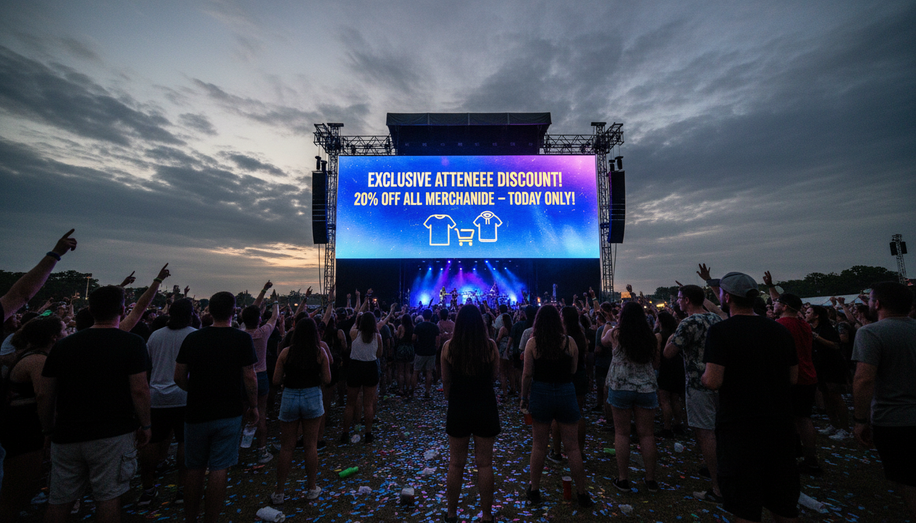
Enhanced engagement follows naturally from this synergy. Pairing geofenced mobile ads with billboards creates a multi-channel reinforcement loop, boosting message recall and response rates. Research shows that consumers exposed to integrated OOH and digital tactics exhibit higher interaction levels, as the physical ad primes them for the digital follow-up. Hyper-localization takes it further, customizing content to contextual cues like time of day, weather, or events. A shopping district billboard might advertise flash sales, while geofencing sends personalized coupons to passersby, driving foot traffic with measurable precision.
Real-world campaigns illustrate the potency of this approach. Burger King’s audacious “Whopper Detour” exemplifies it: by geofencing within 600 feet of rival McDonald’s locations, the chain triggered app notifications offering Whoppers for a penny, spiking downloads and sales while leveraging OOH visibility for broader awareness. Closer to OOH roots, a regional marina geofenced lakesides, campgrounds, and events, pairing it with programmatic display ads. The result? 2.7 million impressions, a 0.61% click-through rate surpassing benchmarks, and a 35% surge in weekend rentals. Retailers have mirrored this success, geofencing around billboards in shopping zones to funnel viewers into stores with timed offers, yielding trackable lifts in visits and revenue.
Implementation demands strategic finesse. Start by mapping zones around OOH assets: encircle billboards near stadiums for event tie-ins, or polygon outlines for districts hosting festivals. Integrate with programmatic platforms for scalability, ensuring ads appear across apps and social feeds without overwhelming users. Data analytics provide the backbone—monitoring foot traffic, engagement rates, conversion metrics, and even in-store revenue to quantify ROI. Tools track how many billboard viewers within the geofence redeem offers or visit sites, enabling real-time tweaks like swapping creatives based on performance.
Yet challenges persist, demanding best practices. Privacy concerns loom large; opt-in consent and transparent data use are non-negotiable to comply with regulations and maintain trust. Over-targeting risks ad fatigue, so frequency caps and relevant messaging are essential. Success hinges on unified creative: bold billboard visuals must echo mobile ads for seamless recognition. Agencies like those specializing in OOH integration emphasize clear objectives—whether brand awareness, store traffic, or app downloads—to guide zone selection and measurement.
Looking ahead, geofencing’s evolution promises even greater sophistication. As 5G networks expand and AI refines movement pattern analysis, campaigns could predict behaviors, such as targeting gym-goers exiting fitness centers with post-workout protein shakes via nearby digital kiosks. For OOH publishers and brands, this means not just survival in a digital age, but dominance. Traditional billboards, once critiqued for unmeasurability, now yield granular insights, proving their worth in data-driven boardrooms.
Ultimately, geofencing harnesses the inherent strength of OOH—its unbeatable location dominance—while infusing it with digital agility. In an era where consumers navigate fluid paths blending online and offline, this technology ensures advertisers meet them exactly where they are, moving with purpose toward conversion. The result is OOH reborn: targeted, trackable, and triumphantly effective.