
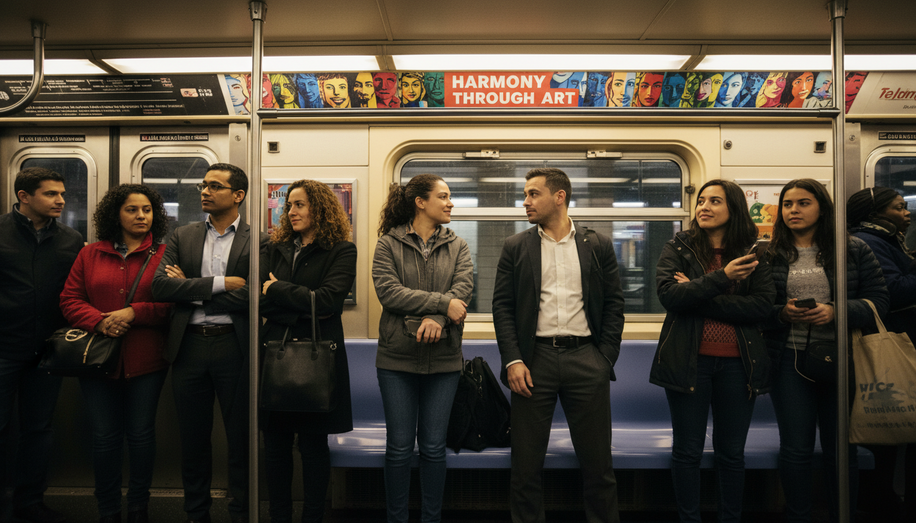

Transit advertising has emerged as one of the most effective channels for reaching captive audiences in urban environments, with recent case studies demonstrating measurable impact across brand awareness, consumer engagement, and direct sales. The success of these campaigns hinges on creative execution, strategic placement, and a deep understanding of commuter behavior in high-traffic transit zones.
A compelling example comes from Golden Crumpets and Tip Top, two Australian brands that leveraged bus wraps in Queensland cities to drive impressive results. Golden Crumpets achieved 63% accurate brand recall through full-back and portrait wraps placed strategically on buses throughout Toowoomba and Gold Coast. The campaign’s success stemmed from strong central logo placement paired with product imagery, creating instantly recognizable creative that resonated with the target market. Tip Top’s parallel campaign proved even more impactful from a conversion standpoint, with 20% of viewers making a purchase and 10% conducting online research after exposure to the transit ads. The campaign successfully conveyed key messaging about Australian ingredients and Queensland manufacturing, forging an emotional connection with the 18-24 demographic.
International examples further validate transit advertising’s potency. In New York City, the Metropolitan Transportation Authority partnered with Outfront Media to promote its new One Metro New York contactless payment system through the “Tap to Unlock NYC” campaign, utilizing digital billboards across Grand Central Station and eight additional high-traffic transit hubs. The campaign effectively reached thousands of daily commuters during a critical product launch phase. Similarly, American Express demonstrated sophisticated geotargeting capabilities through location-based taxi top advertisements across 125 NYC cabs, delivering merchant-specific messaging as vehicles passed relevant locations while maintaining broader brand messaging in other areas.
The data supporting transit advertising’s effectiveness is substantial. Research from the Out of Home Advertising Association of America reveals that 54% of consumers notice transit ads at public transportation areas “most” or “all” of the time, with 57% noticing station ads providing business directions—and notably, 48% of those individuals visited the business, with 82% making a purchase. These conversion metrics underscore transit advertising’s ability to drive tangible business outcomes.
Creative execution and bold visuals significantly amplify campaign success. Prestige Flowers in the UK employed an innovative approach featuring QR codes on OOH posters, generating nearly 8,000 scans and successfully attracting digitally-savvy shoppers into their sales funnel. Meanwhile, Vivo’s vibrant bus campaigns across major Indian cities generated substantial social media buzz and increased retail footfall through eye-catching creative design. The “Incredible India” tourism campaign similarly demonstrated how transit advertising visuals on buses and trains could drive measurable increases in travel-related searches and tourist inflow.
Beyond commercial brands, transit advertising has proven effective for public service messaging. Metrolinx’s “Safety Never Stops” campaign on GO Transit buses in Ontario, Canada, deployed eye-catching visuals and impactful messaging to reassure commuters and encourage safer behavior, resulting in significant reductions in safety incidents and increased audience engagement with safety pledges. These campaigns garnered industry recognition and accolades, validating their innovative approaches.
The consistent success across diverse sectors and geographies reveals why transit advertising remains a cornerstone strategy for modern brands. The captive audience inherent in public transportation, combined with repeated exposure during daily commutes, creates unparalleled opportunities for message retention and recall. When paired with strategic placement informed by audience data, creative designs that demand attention, and clear calls to action—whether driving retail visits, online engagement, or behavioral change—transit advertising delivers measurable results. As brands continue seeking cost-effective channels with demonstrated ROI, the evidence from these case studies confirms that transit environments remain among the most valuable real estate in the out-of-home advertising landscape.