
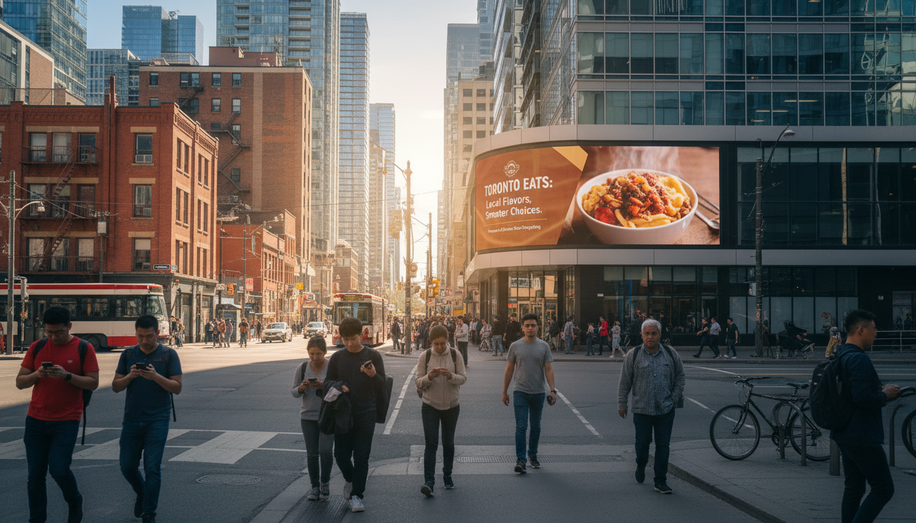

In the evolving landscape of out-of-home (OOH) advertising, geofencing technology stands out as a transformative tool, enabling advertisers to deliver hyper-relevant messages precisely when and where consumers are most receptive. By creating virtual boundaries around key locations such as billboards, transit hubs, or event venues, geofencing bridges the gap between static physical displays and dynamic digital engagement, capturing real-time audience behavior to boost relevance and timing. This precision turns broad-reach OOH campaigns into targeted interventions that drive measurable action, from foot traffic to conversions.
At its core, geofencing leverages GPS, Wi-Fi, or cellular data to establish invisible perimeters around specific geographic areas, triggering tailored digital ads when a mobile device crosses those lines. In OOH contexts, advertisers map these geofences strategically around advertising assets like billboards or bus shelters, identifying passersby who encounter the physical message. For instance, GPS-based geofencing proves ideal for expansive outdoor zones such as highways or shopping districts, offering wide coverage with minimal infrastructure, while Wi-Fi variants excel in denser spots like malls or stations for pinpoint accuracy. Once activated, the system monitors device location services, serving personalized mobile notifications, app banners, or social media promotions that reinforce the OOH exposure.
This integration revolutionizes targeting by shifting from demographic guesses to behavioral reality. Traditional OOH excels at building awareness through sheer visibility, but its impact often fades without follow-through; geofencing changes that by retargeting viewers online, creating a seamless omnichannel journey. A commuter glancing at a billboard for a nearby restaurant might later receive a time-sensitive coupon on their phone, capitalizing on the fresh memory of the ad. Brands in retail or events particularly thrive here: a clothing store could geofence a shopping district, pairing static OOH promotions with mobile coupons to lure in-the-moment shoppers, while concert venues target stadium arrivals with upgrades or merchandise offers.
Real-world applications underscore the potency of this approach. Consider a regional marina aiming to spike summer kayak rentals; by geofencing nearby lakes, campgrounds, and events, it delivered programmatic mobile ads with urgent offers, resulting in a 35% uplift in bookings during peak weekends. Similarly, e-commerce brands use geofencing around billboards to track offline ad encounters and retarget with product-specific digital messaging, bridging discovery to purchase and elevating return on investment through reduced waste. These tactics not only amplify engagement—via multi-touchpoint reinforcement—but also provide granular data on foot traffic, dwell times, and conversion paths, enabling real-time optimizations that static metrics alone can’t match.
The timing advantage is equally compelling. OOH has always hinged on location, but geofencing adds immediacy, aligning ads with consumer context like post-event hunger or weather-driven needs. In ski towns, billboards might promote winter gear while geofences push sunscreen alternatives to beachgoers elsewhere, ensuring hyper-local relevance. Programmatic platforms further enhance this by automating ad delivery across apps and the mobile web, scaling campaigns while feeding performance data back into OOH placement decisions. Advertisers gain feedback loops: high-engagement geofences signal prime billboard spots, refining future buys for sustained efficiency.
Critically, geofencing addresses OOH’s historical measurement challenges. Where once impressions were estimated by traffic counts, this technology quantifies actual exposure and downstream actions, proving value to skeptical clients. Engagement rates climb as messages feel intuitive rather than intrusive, fostering trust and recall. For outdoor enthusiasts, brands layer geofencing around trailheads or golf courses, timing ads to high-intent moments like weekend outings, which drives not just traffic but revenue.
Yet implementation demands nuance. Optimal geofence sizing balances capture breadth with accuracy—too wide risks irrelevant reaches, too narrow misses exposures—factoring in traffic patterns and ad visibility angles. Privacy considerations loom large, as reliance on location data requires transparent opt-ins and compliance with regulations, though aggregated insights minimize individual risks. Partnering with location-intelligence platforms streamlines this, blending geofencing with programmatic buying for seamless execution.
Looking ahead, geofencing propels OOH into a data-driven era, where relevance trumps reach. As mobile penetration deepens and 5G sharpens location precision, expect tighter integrations with augmented reality overlays or AI-predicted behaviors. For advertisers, the message is clear: in a fragmented media world, geofencing doesn’t just enhance OOH—it redefines it, delivering the right pitch at the perfect moment to audiences already primed to respond.
In this new data-driven era for OOH, platforms like Blindspot become indispensable for advertisers seeking to maximize their geofencing strategies. Blindspot’s advanced location intelligence, audience measurement, and programmatic DOOH campaign management enable precise targeting and real-time optimization, seamlessly bridging physical OOH exposure with dynamic digital engagement. Through robust ROI measurement and attribution, brands can finally quantify the full impact of their integrated campaigns and prove tangible value. https://seeblindspot.com/