
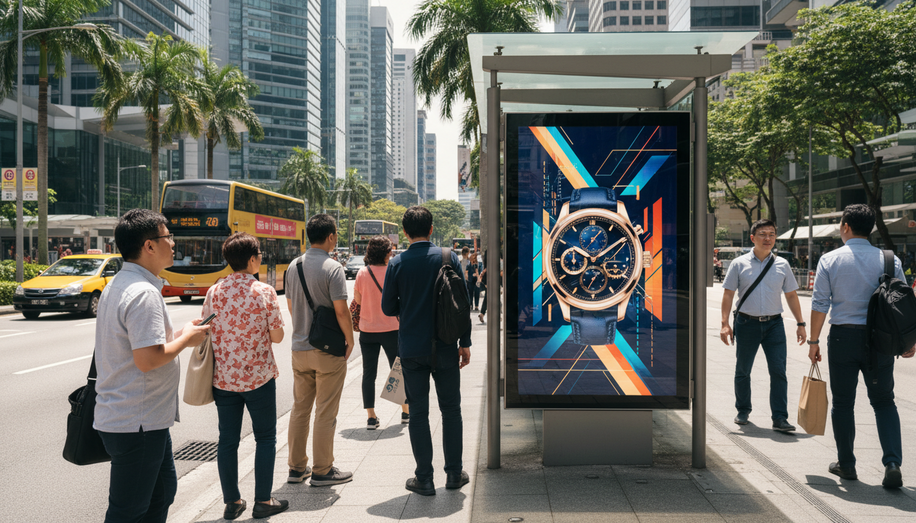

In the pulsating heart of modern cities, where data streams flow as freely as pedestrian traffic, out-of-home (OOH) advertising is undergoing a profound transformation. Smart city technologies—networks of sensors, AI algorithms, and interconnected infrastructure—are turning static billboards into dynamic portals of relevance and interaction, revolutionizing how brands connect with urban audiences. No longer mere visual interruptions, these digital displays harness real-time data to deliver timely messages, blending commerce with civic utility in ways that enhance both engagement and city efficiency.
At the core of this shift lies the integration of OOH with smart city systems. Traditional billboards, once fixed and one-dimensional, have given way to digital out-of-home (DOOH) screens that pull from vast data reservoirs: traffic patterns, weather feeds, audience demographics, and even public transport schedules. Consider a bustling intersection in a city like Singapore or Barcelona, where sensors detect a sudden rain shower. The nearest display instantly swaps a sunscreen ad for umbrellas or cozy café promotions, ensuring the message lands with precision. This adaptability stems from AI-powered analytics, which process anonymized data to tailor content—promoting morning coffee to commuters at dawn or evening events to post-work crowds—boosting relevance and recall rates far beyond static alternatives.
Urban infrastructure amplifies this potential. In transportation hubs such as airports and subway stations, DOOH screens multitask seamlessly, juxtaposing ads with wayfinding, flight updates, or emergency alerts. During a citywide event or crisis, these displays can pivot in seconds, broadcasting public safety messages while maintaining revenue streams through scheduled ad rotations. This symbiosis benefits municipalities too: multiple brands share screen time without cluttering skylines, generating higher yields from prime real estate and funding smarter infrastructure. Cities adopting this model report cleaner aesthetics and sustainable revenue, as energy-efficient LEDs and solar-powered units minimize environmental impact.
Interactivity takes the revolution further, embedding OOH into the fabric of daily urban life. Touch-enabled hybrid displays in shopping districts allow passersby to swipe for product demos, event tickets, or interactive maps, fostering two-way engagement. Augmented reality (AR) overlays project virtual try-ons onto physical screens, while facial recognition—privacy-compliant and aggregate-only—segments content by age or group, delivering family deals to parents or luxury pitches to professionals. In public squares, these installations evolve into hotspots, drawing crowds with gamified ads that reward scans for discounts, transforming advertising from intrusion to amusement. Such features not only spike dwell time but also collect actionable insights, enabling programmatic buying where ads auction in real-time based on predicted footfall.
Real-world deployments underscore the momentum. In high-traffic zones, AI billboards analyze crowd flow to optimize visibility, switching to high-contrast visuals during peak hours or dimming for energy savings at night. European smart cities like those in the Netherlands integrate DOOH with traffic management, where screens alert drivers to jams while promoting nearby services, easing congestion and capturing captive eyes. Brands report measurable lifts: dynamic content yields up to 40% higher engagement than static peers, with interactivity driving foot traffic and sales. For advertisers, this means granular targeting without cookies—leveraging location, time, and behavior for hyper-local campaigns that resonate amid urban hustle.
Yet challenges persist, demanding careful navigation. Privacy regulations like GDPR ensure data use remains ethical, focusing on anonymized aggregates rather than individuals. Equity concerns arise too: not all neighborhoods boast equal infrastructure, risking a digital divide in ad exposure. Still, the trajectory points upward. By 2030, analysts predict DOOH will dominate OOH, propelled by 5G, edge computing, and machine learning for even smarter personalization. Sustainability pushes forward with eco-displays that cut paper waste and power down unused, aligning advertising with green urban agendas.
As cities digitize, OOH emerges as a vital thread in the smart fabric—informative, immersive, and indispensable. Brands that master this integration don’t just advertise; they participate in urban evolution, turning infrastructure into a canvas for connection. Municipalities gain tools for communication and funding, while citizens enjoy enriched spaces where promotion meets practicality. In this data-drenched era, smart cities aren’t just reshaping skylines—they’re redefining how we see, interact with, and move through the world of advertising.