
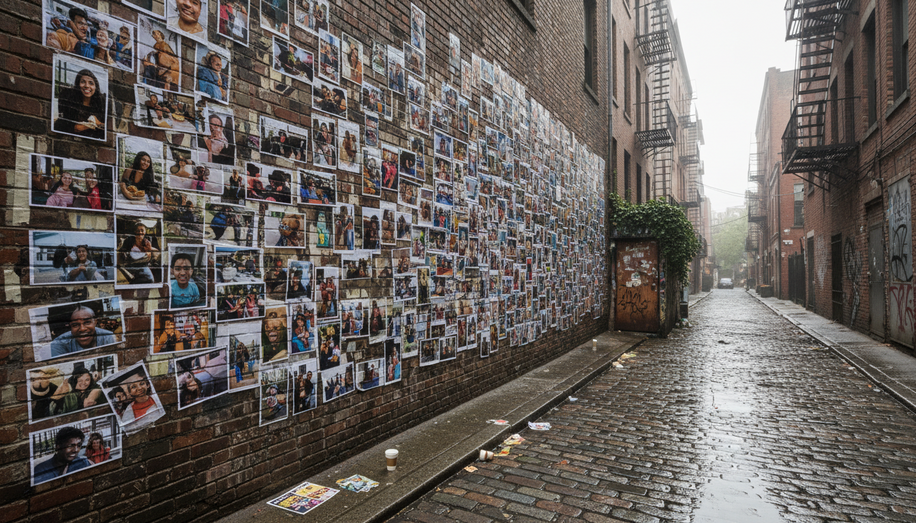

In the bustling streets of modern cities, where digital billboards flicker and bus shelters pulse with life, brands are rediscovering a powerful truth: the most compelling stories often come not from marketing teams, but from the consumers themselves. User-generated content, or UGC, has long fueled social media virality, but its integration into out-of-home (OOH) advertising is revolutionizing the medium, turning passive viewers into active participants and forging authentic connections that static ads could never achieve. By harnessing real-time social feeds, contest submissions, and crowd-sourced visuals on digital OOH screens, brands create campaigns that feel personal, timely, and undeniably genuine, cutting through the clutter of ad saturation.
Consider Coca-Cola’s iconic “Share a Coke” campaign, which exploded in the early 2010s and set a blueprint for UGC in OOH. What began with personalized bottles bearing popular names quickly spilled onto digital billboards across Australia. Screens pulled data from social media—usernames, interests, even location—to display tailored messages like “Share a Coke with Sarah,” encouraging passersby to snap photos, share online, and hunt for their own bottles. The result was a social media frenzy, with millions of impressions and a surge in sales, proving that when consumers see themselves reflected in OOH, they don’t just notice; they engage. This personalization blurred the line between ad and conversation, amplifying UGC as users flooded platforms with their own Coke moments, which in turn fed back into the billboards for a self- perpetuating loop of authenticity.
Starbucks took a similar crowd-sourcing approach with its 2014 White Cup Contest, transforming everyday cups into canvases for customer creativity. Patrons doodled designs on blank white reusable cups and posted them to social media with #WhiteCupContest, generating thousands of entries and organic buzz. While the campaign originated in-store, its OOH potential shines in how brands now adapt such tactics to digital screens: imagine transit hubs displaying winning designs in real-time, rotating user art with calls to “Doodle your cup and join the contest.” This not only boosts participation but humanizes the brand, as real customer voices dominate the visual landscape, fostering emotional resonance far beyond polished creatives.
Fast-forward to today’s data-driven DOOH era, where technology bridges UGC and OOH seamlessly. PrizePicks, a daily fantasy sports platform, tapped into fan energy near major sports venues, blending programmatic OOH with influencer-led creatives that echoed user-shared excitement on social channels. The campaign delivered an 80% lift in consideration and 103% in brand favorability by feeling like an extension of game-day chatter—authentic, localized, and fueled by the very fans it targeted. Similarly, Airbnb’s #WeAccept and #HostWithPride initiatives encouraged hosts and guests worldwide to share personal stories of inclusivity, which could easily translate to OOH screens in high-traffic areas. Picture digital kiosks in airports cycling through user-submitted photos and testimonials, dynamically updating as new posts arrive via hashtag monitoring. This live curation turns billboards into storytelling hubs, where diverse voices highlight real experiences, building trust in an era skeptical of corporate narratives.
Technology is the enabler here. Platforms like those from Geomotive and Vistar Media allow brands to ingest UGC programmatically, syncing social media streams with DOOH networks for hyper-relevant displays. GMC’s 2016 Acadia SUV campaign, though not purely UGC, previewed this by using facial recognition to tailor videos—parents saw family ads, gamers got interactive challenges—garnering 80,000 extra online views as captivated audiences shared the “personalized” encounters. Extend this to UGC: screens could detect demographics and serve matching user videos, like a fitness influencer’s clip for joggers or a foodie’s review for lunch crowds. Mad Mex restaurants in Australia took dynamic tailoring further, using sales data to emphasize taste, health, or value on nearby screens, driving a 9% sales uplift among 2.9 million exposures; layering UGC, such as customer meal pics, would amplify that intimacy.
Yet success demands more than tech wizardry. Authenticity reigns supreme—UGC thrives when it feels unfiltered, not exploited. GoPro mastered this in digital realms by showcasing user-captured action footage, a model ripe for OOH: digital billboards at adventure hotspots could loop real-time submissions from #GoProHero, turning extreme sports clips into communal hype machines. Pitfalls abound, though; over-moderation kills spontaneity, while poor permissions invite backlash. Brands must prioritize clear guidelines, consent, and incentives—like contests with prizes or features—to spark voluntary sharing. Legal savvy is key too, navigating data privacy in an age of GDPR and and CCPA.
Looking ahead, as 5G and AI refine real-time rendering, UGC-OOH hybrids will dominate. Netflix’s French launch used GIFs from hit shows on street boards to wow passersby; imagine evolving that with trending user memes or reactions, pulled live from TikTok. Timberland’s location-based “Urban Adventures” screens, promoting walks with calorie-burn stats, paired perfectly with user-shared journey photos. The payoff? Measurable magic: higher dwell times, social shares, and ROI, as Jack in the Box’s burger push lured 1.3 million footfalls via captivating visuals.
Ultimately, UGC infuses OOH with the soul consumers crave—raw, relatable, and resonant. In a world weary of slick ads, brands that empower users to co-create campaigns don’t just advertise; they ignite movements. The streets become shared canvases, where every glance sparks a story, proving that the power of OOH lies not in shouting louder, but in listening first.