
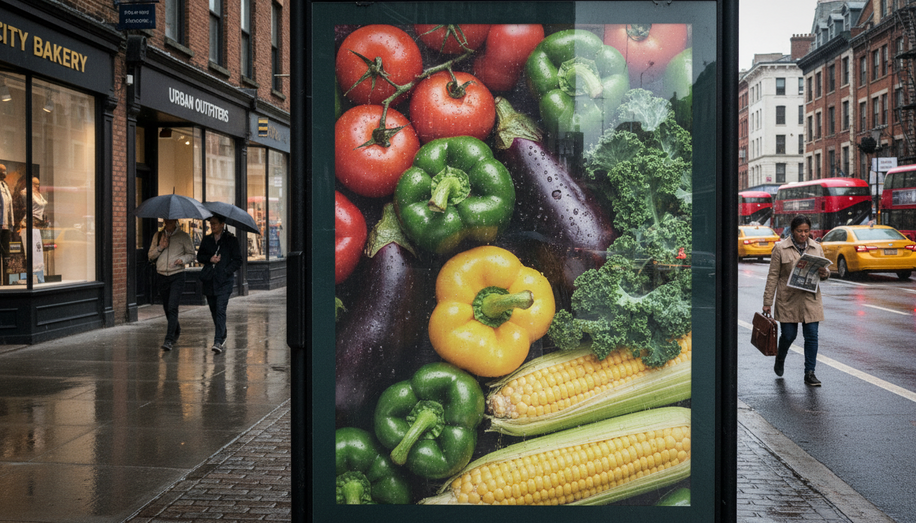

The convergence of retail media networks and out-of-home advertising has emerged as a powerful strategy for brands seeking to drive measurable foot traffic and sales growth. By combining the precision of location-based targeting with the scale and visibility of outdoor media, retailers and brands are discovering that strategic partnerships can deliver results that exceed expectations on either channel alone.
One compelling example comes from the collaboration between Swiss climbing brand Mammut and independent Peak District retailer Outside. Facing the challenge of gaining deeper visibility within a specific geographic market, Mammut partnered with Outside to create content that would resonate with the retailer’s established community of climbers and hikers. The brand developed a five-minute gear test video showcasing Mammut products in the context of Kinder Scout, a major Peak District destination. Rather than relying solely on organic reach, the campaign employed a sophisticated multi-level promotional strategy that began with direct promotion on Outside’s Facebook page to engage the retailer’s existing audience, then expanded through custom audience targeting on Facebook advertising to reach Mammut’s broader customer base with Peak District-relevant content.
The results demonstrated the effectiveness of this integrated approach. The video was watched for more than three seconds by over 20,000 people, reaching more than 30,000 individuals total, generating a valuable new audience for both brand and retailer. More significantly, traffic to Mammut pages on Outside’s website increased by 50.06 percent in the second quarter of 2018 compared to the same period in the previous year. This case illustrates how retail partnerships can amplify brand reach when executed through coordinated digital and promotional channels.
The power of location-based targeting becomes even more apparent when examining how outdoor advertising integrates with mobile data and foot traffic measurement. A mobile telecom brand’s Chicago street furniture campaign demonstrated that OOH advertising could generate an 86 percent visit lift among consumers exposed to the ads, with peak visit times occurring on Friday and Saturday afternoons. This data-driven evidence proves that strategic placement of outdoor advertising directly influences consumer behavior and shopping patterns.
Fashion and lifestyle brands have similarly leveraged this intersection. Glossier, which began as an online-only brand, has built significant street presence through consistent out-of-home placements while informing consumers that products are available at Sephora. The strategy serves a dual purpose: building brand recognition while directing consumers toward retail locations where they can purchase products immediately. Similarly, eyewear brand Zenni used extensive out-of-home coverage across New York City streets to break through the noise and capture the attention of consumers during their daily commutes, addressing the challenge of reaching consumers with short attention spans.
The integration of mobile technology with outdoor advertising has further enhanced campaign effectiveness. Research indicates that mobile click-through rates increase by up to 15 percent when supported by OOH advertising, creating a synergistic effect where outdoor visibility drives online engagement and vice versa. Retailers have capitalized on this dynamic by syncing DOOH ads with mobile targeting to drive both online and in-store traffic simultaneously, resulting in measurable sales increases during campaign periods.
For brands and retailers considering this approach, several success factors emerge consistently across case studies. First, location selection and context matter significantly—outdoor advertising performs best when placed where target audiences already congregate or travel regularly. Second, creative execution must be compelling and relevant to the specific geographic market, as demonstrated by Mammut’s decision to feature Peak District locations in their promotional materials. Third, measuring impact through partnerships with media-agnostic tracking partners allows brands to attribute store visits and sales directly to their outdoor campaigns, providing the evidence needed to justify continued investment.
The intersection of retail media and OOH advertising represents a maturing field where data-driven insights, precise targeting, and creative execution converge. As retailers deepen their understanding of how outdoor visibility influences foot traffic and sales, strategic partnerships between brands and retail networks will likely become increasingly sophisticated. The evidence suggests that when executed thoughtfully, location-based outdoor campaigns can drive tangible business results while building lasting brand recognition.