
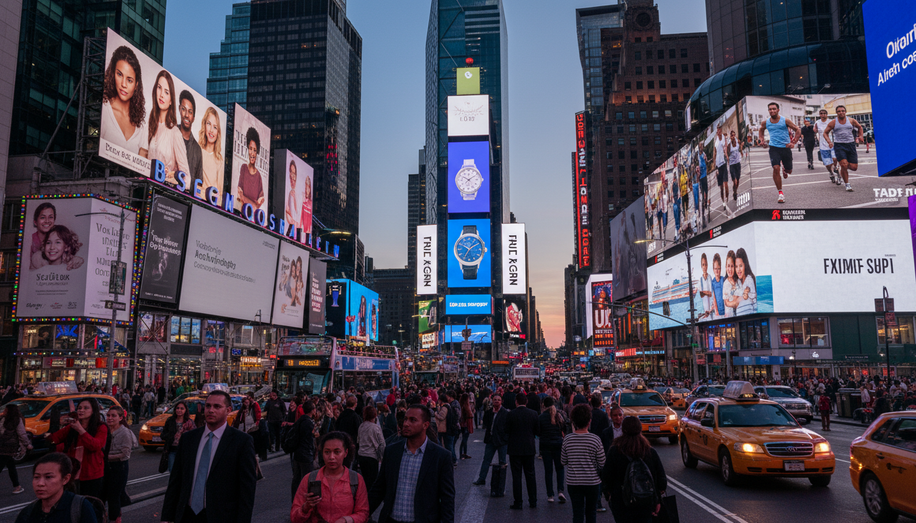

Micro-Targeting in OOH: The Future of Hyper-Personalized Campaigns
Brands are harnessing advanced data analytics and geospatial tools to deliver hyper-personalized out-of-home (OOH) ads, targeting micro-audiences in local markets with unprecedented precision.
The era of blanket billboard messaging is fading fast. Today, out-of-home advertising is evolving into a data-driven powerhouse, where micro-targeting fuses behavioral insights, real-time location data, and predictive analytics to craft campaigns that feel tailor-made for passersby. Imagine a digital billboard in a bustling neighborhood that swaps out creatives based on the time of day, weather conditions, or even the demographics of nearby foot traffic. This isn’t science fiction—it’s the new reality powered by advanced data analytics, enabling brands to resonate deeply with specific local audiences while slashing waste and boosting ROI.
At the heart of this transformation lies precision data collection. Brands no longer rely solely on broad demographics; they aggregate granular sources like public records, local business POS data, community event attendance, and anonymized mobile signals to build hyper-local profiles. For instance, GIS mapping tools such as ArcGIS overlay foot traffic heatmaps with purchase histories and property data, defining segments down to street blocks or ZIP codes. A coffee chain might target morning commuters on high-footfall blocks by analyzing patterns from loyalty programs and mobile app usage, ensuring ads hit when and where intent peaks.
Behavioral data takes this further. Advanced platforms like Google Analytics 4 or Adobe Analytics capture interactions across digital touchpoints—website visits, app flows, session durations—then process them via data warehouses such as BigQuery. Machine learning algorithms, including K-Means clustering and Random Forests, segment users into micro-groups based on engagement intensity, purchase frequency, or even device preferences. In OOH, this translates to dynamic content optimization (DCO). Tools like Google DV360 enable billboards to serve personalized elements—tailored headlines, images, or offers—in real time, triggered by contextual signals like weather APIs from OpenWeatherMap or proximity to stores.
Location-based metrics are the game-changer for OOH measurability. Geofencing and GPS tracking quantify exposure: volume of passersby, dwell time, and demographic breakdowns. StreetMetrics and similar platforms use geospatial data to target “micro-communities,” evolving beyond city-wide blasts to pinpoint high-potential zones like weekend event hotspots or commuter corridors. A fitness brand, for example, could activate ads near a local gym for “Urban Millennials interested in outdoor activities,” enriched with psychographic data from social listening tools like Brandwatch.
Hyper-personalization shines in execution. Dynamic creative optimization adjusts messaging on the fly: rain forecasts trigger umbrella promotions, while evening hours cue entertainment offers for nearby residents. A/B testing via platforms like Facebook Ads Manager refines these, measuring click-through rates and conversions from QR codes or NFC tags on digital OOH screens. Local campaigns leverage behavioral triggers too—if someone recently browsed a menu online but didn’t convert, a geofenced billboard might flash a timed coupon as they pass.
This data alchemy doesn’t stop at deployment; continuous optimization ensures scalability. Data management platforms (DMPs) like Oracle BlueKai integrate CRM data (e.g., Salesforce) with third-party sources for holistic profiles, while tools like Tableau visualize heatmaps of customer density. Automation via Zapier syncs real-time feeds, allowing campaigns to adapt to events like festivals or sales spikes. The result? Campaigns that not only reach the right eyes but drive action—store visits, app downloads, purchases—proven by before-and-after foot traffic lifts and attribution models.
Challenges persist, of course. Privacy concerns loom large with granular location data, demanding compliant practices like anonymization and opt-ins. Yet, as analytics mature, so does ethical targeting. Claritas and others highlight success stories where digital measurement proves OOH’s lift, with brands reporting higher engagement in micro-targeted zones versus traditional buys.
Looking ahead, the fusion of AI-driven prediction and 5G-enabled digital OOH networks promises even sharper personalization. Billboards could soon predict churn risk or affinity for products based on aggregated patterns, serving proactive messages to fleeting audiences. For local markets, this means neighborhood shops competing with giants through surgically precise campaigns—think a boutique targeting block-specific high-spenders with event-tied promotions.
Micro-targeting isn’t just enhancing OOH; it’s redefining it as a hyper-personalized medium. Brands that master data analytics will dominate local landscapes, turning every glance into a conversion opportunity. The future is here, and it’s location-aware, behavior-tuned, and unmissably relevant. Blindspot empowers brands to master this intricate data alchemy, transforming the promise of hyper-personalized OOH into tangible results. Its robust suite of tools, including audience measurement, location intelligence for precise site selection, and programmatic DOOH campaign management, enables advertisers to strategically target micro-audiences and dynamically optimize creatives in real-time. By also providing comprehensive ROI measurement and attribution, Blindspot ensures that every dollar spent on these surgically precise campaigns demonstrably drives action and delivers measurable business impact. https://seeblindspot.com/