

The Art of Storytelling in OOH Advertising
Discover how brands master narrative techniques in out-of-home campaigns to forge deep emotional bonds, turning fleeting glances into lasting connections. (148 characters)
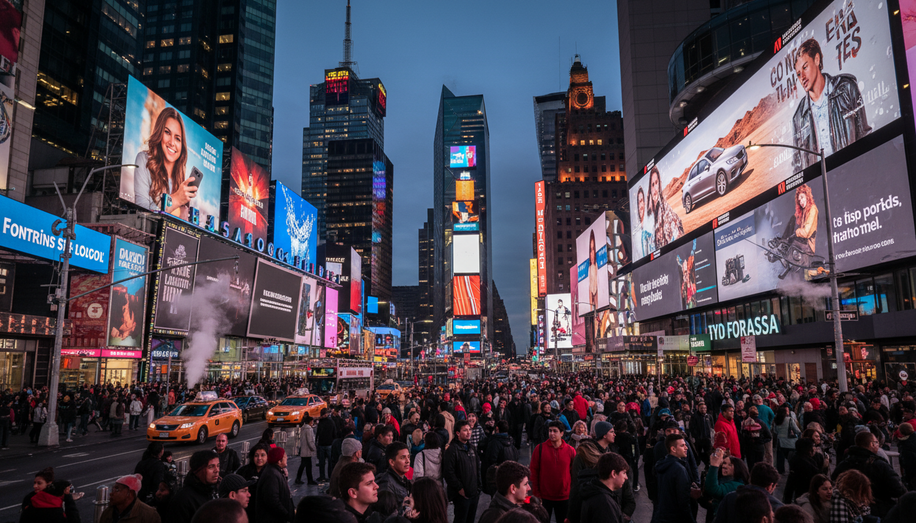
In the bustling theater of urban life, out-of-home (OOH) advertising commands attention amid the chaos of streets, stations, and skies. Yet, what elevates a static billboard from mere visual noise to a resonant memory? Storytelling. By weaving compelling narratives into OOH formats, brands transform passive viewers into emotionally invested audiences, fostering loyalty that endures beyond the drive-by encounter. This ancient art, honed in campfires and cinemas, finds fresh vitality in OOH’s dynamic canvas, where brevity meets boldness to create unforgettable tales.
At its core, effective OOH storytelling distills complex brand messages into simple, human-centered arcs. Consider Patagonia’s “Worn Wear” campaign, which spotlights real customers’ adventures with repaired gear, emphasizing authenticity and sustainability over product specs. By featuring genuine tales of triumph on trails and peaks, Patagonia doesn’t sell jackets—it sells belonging to a community of stewards. This mirrors lessons from social media, where outdoor brands like Yeti capture “hero moments”—a fisherman’s haul or a hiker’s dawn brew—to evoke awe or grit in seconds. OOH adapts these succinctly: a weathered jacket on a billboard beside a jagged summit whispers endurance, prompting viewers to envision their own quests.
Relatability is the storyteller’s secret weapon. REI’s #OptOutside initiative flipped Black Friday norms, urging people outdoors with user-submitted stories of nature’s embrace over consumerism. Billboards amplified these personal journeys, from first-time campers to seasoned explorers, humanizing the brand and sparking a movement. In OOH, this means prioritizing people over products: showcase diverse faces overcoming obstacles, their joys and struggles mirroring the audience’s aspirations. Such narratives build inclusivity, as National Geographic’s #YourShot did by inviting photo shares, turning passive observers into co-authors via urban displays that celebrated user visions.
Dynamic OOH supercharges these tales with real-time relevance, blending narrative with context for immersive impact. Rain-X timed ads to rainy downpours, their message—”See clearly now”—emerging as weather wipers activated, narrating a problem-solution drama in sync with the skies. Aperol Spritz activated sprightly visuals only above 66°F near social spots, evoking sun-soaked escapades that mirrored viewers’ cravings for carefree sips. Skoda’s billboards tallied escape times to idyllic UK havens using live traffic data, crafting a liberation story: “Rat race to rapture in 47 minutes.” These weather- and data-triggered plots make OOH a living narrative, heightening emotional stakes by aligning brand lore with the moment’s pulse.
Guerrilla tactics inject surprise, turning cityscapes into interactive fables. High-tech installations, like those merging physical challenges with brand tech, generate buzz by embedding stories in unexpected spaces—billboards that respond to touch or QR codes unlocking deeper lore. B&Q swapped ads from BBQs to indoor fixes based on sun or storm, narrating seasonal shifts with practical wit. Guinness guided rugby fans to pubs with dynamic distance cues and match timers, weaving camaraderie into the chase, even rerouting crowds when venues swelled via sensors. These stunts demand participation, echoing Rotary’s youth exchange ad, where a girl’s homesick glance abroad tugs heartstrings, adapted for OOH as sequential panels tracing emotional arcs across bus stops.
Yet, mastery lies in emotional precision. Focus on one potent feeling—triumph, nostalgia, joy—to pierce the glance economy. Patagonia nails awe through peak captures; Yeti, quiet connection. Leverage trends or user stories, but ground them in transparency: behind-the-scenes glimpses build trust, as micro-influencer partnerships do digitally, now scaled to OOH murals. Interactivity amplifies: hashtag calls on digital screens invite shares, fostering collaborative epics where audiences star.
Challenges persist. OOH’s ephemerality demands narrative economy—seven seconds max per panel. Overcomplication risks confusion, as some critique Skoda’s timers for opacity. Measurement evolves too; geofencing tracks post-exposure actions, like O2 pairing billboards with radio retargeting, proving stories drive footfall.
Ultimately, OOH storytelling thrives on authenticity, relevance, and humanity. Brands like these don’t interrupt; they invite into shared myths, converting commuters into converts. As digital out-of-home (DOOH) fuses with AI-driven personalization, narratives will grow smarter, more intimate—billboards whispering personalized prologues to passersby. For advertisers, the lesson is clear: in a world screaming for attention, the best stories don’t shout. They echo in the soul, long after the light changes.
(712 words)