
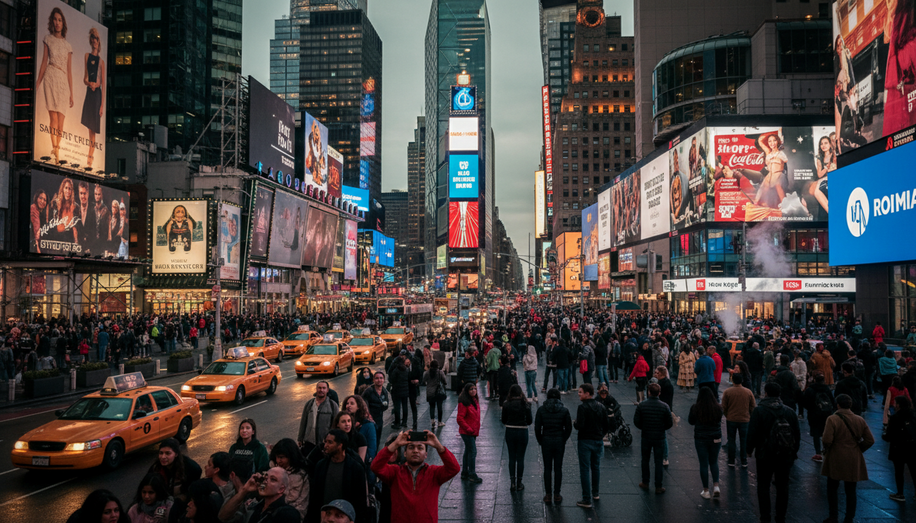

In today’s fragmented media landscape, where consumers seamlessly shift between screens, streets, and social feeds, out-of-home (OOH) advertising thrives not in isolation but as a vital thread in a multi-channel tapestry. Brands that synergize OOH with digital, TV, and social platforms craft cohesive experiences that amplify reach, boost engagement, and drive measurable conversions, turning passive glances into lasting loyalty.
OOH’s enduring power lies in its ability to command attention in the physical world, where digital fatigue often dulls online impact. Billboards, transit ads, and digital out-of-home (DOOH) screens capture audiences on the move—drivers, pedestrians, commuters—who might ignore yet another app notification. Yet, standalone OOH risks fading into the background. Integration with other channels transforms it into a launchpad for deeper interactions. For instance, combining OOH with TV and digital expands audience scope: OOH hits mobile consumers, TV forges emotional bonds through storytelling, and digital hones in on demographics with precision targeting. Data underscores this potency; multichannel mixes featuring OOH, TV, and digital deliver substantially higher ROI than siloed efforts.
Central to this synergy is targeted geo-fencing, which bridges offline exposure with online precision. Transit billboards along specific routes pair effortlessly with digital geo-targeting, retargeting passersby who glimpsed the ad but didn’t act. This multi-channel retargeting heightens ad frequency, reinforcing messages across touchpoints and elevating conversion odds. Brands synchronize billboard placements with mobile ads, creating a persistent presence that feels omnipresent yet personalized.
Social media amplification takes this further, leveraging OOH’s visual spectacle for viral potential. Eye-catching billboards prompt user-generated content: pedestrians snap photos, share on Instagram or X, and tag the brand, extending reach organically. Experiential twists—QR codes offering coupons, games, or limited-time perks—ignite participation. A food delivery app, for example, deployed DOOH screens near office parks during lunch rushes, flashing time-sensitive QR coupons that funneled scans straight to orders, blending impulse with immediacy. Such tactics not only generate buzz but also funnel traffic to digital ecosystems, where engagement metrics can be tracked in real time.
Cross-channel consistency emerges as the glue binding these efforts. Uniform visuals, messaging, and tone across OOH, digital, TV, and social forge a seamless brand identity. Consumers encountering a billboard’s bold call-to-action later see echoed themes in their feeds or streams, reinforcing recall by up to 70 percent when messages align. Real-time data integration supercharges this: analytics from digital platforms inform OOH site selection and timing, while OOH exposure data refines online bidding. QR codes and custom URLs on billboards direct traffic to landing pages, syncing with paid search or social campaigns for a fluid journey.
The numbers paint a compelling picture of this integration’s ROI. Consumers pre-exposed to OOH ads show 48 percent higher conversion rates in subsequent digital campaigns, with cost per acquisition dropping by 23 percent. Integrated efforts yield 40 percent superior returns over digital-only pushes, while synchronized paid traffic boosts click-through rates by 37 percent and conversions by 28 percent—remarketing those billboard viewers pushes that to 52 percent. Prior OOH visibility primes purchasing behavior, spilling into both physical stores and e-commerce, as billboards build awareness that digital ads then convert.
Consider practical execution: start by defining objectives and audience, then map channels for maximum overlap. A beverage brand might erect geo-targeted billboards near events, layer in TV spots for mass awareness, and deploy Instagram retargeting with QR-driven discounts. Timing coordination ensures a TV ad airs as billboard viewers commute home, directing them to a mobile-optimized site. Tools like DOOH enable dynamic content swaps based on live data, such as weather-triggered promotions that sync with app notifications.
Challenges persist—measuring true attribution across channels demands sophisticated tracking—but advancements in geofencing and clean-room data mitigate this. Privacy regulations add hurdles, yet anonymized signals from opted-in users provide robust insights without compromise.
Ultimately, multi-channel OOH strategies redefine advertising as an ecosystem, not episodes. Brands ignoring this risk invisibility amid 5,000 daily ad exposures per consumer. Those embracing it—harmonizing OOH’s massive scale with digital’s interactivity and TV’s narrative pull—don’t just reach audiences; they immerse them. In an era of omnichannel expectations, this synergy isn’t optional—it’s the new standard for cutting through noise and converting curiosity into commitment.
(Word count: 712)