
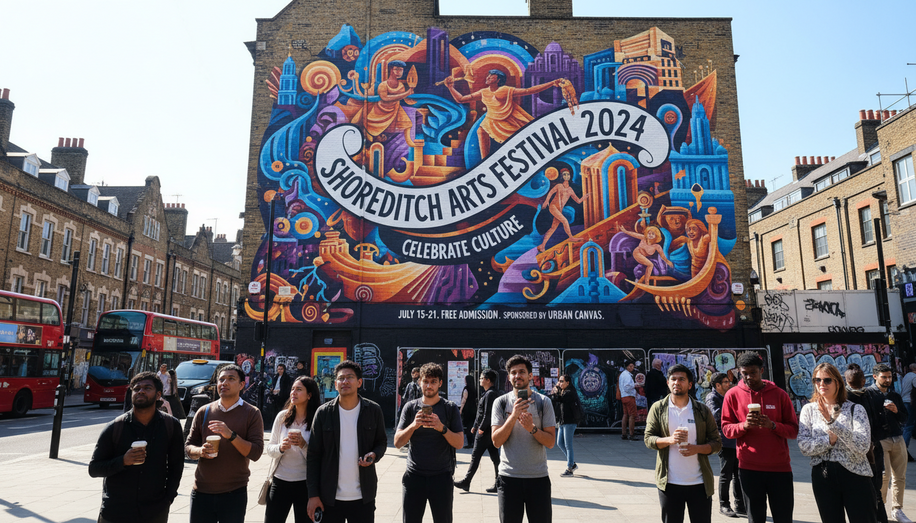

In cities worldwide, outdoor advertising is shedding its commercial skin to emerge as a vibrant thread in the urban tapestry, where billboards and murals double as canvases for artistic expression. This fusion of art and out-of-home (OOH) advertising is transforming drab public spaces into dynamic hubs of community engagement, fostering deeper connections between brands, artists, and residents. No longer mere vessels for product pitches, these installations invite passersby to pause, reflect, and interact, turning advertising into a catalyst for beautification and shared storytelling.
Consider the shift from static slogans to collaborative masterpieces. Brands are increasingly partnering with local artists to co-create billboards that resonate with cultural authenticity, moving beyond promotion to weave into the fabric of neighborhood identity. Apple’s “Shot on iPhone” campaign exemplifies this, featuring location-specific imagery captured by regional photographers and displayed on billboards that celebrated authentic community moments, sparking local pride and resonance. Similarly, Converse’s “City Forests” project enlisted muralists to paint billboards with air-purifying coatings, merging environmental advocacy with artistry to cleanse both air and urban aesthetics in multiple cities. These efforts elevate OOH from intrusive signage to communal assets, where art humanizes brands and instills a sense of belonging.
This integration beautifies urban landscapes by repurposing underutilized spaces—think bus shelters, subway stations, and vast wallscapes—into impromptu galleries. In Guatemala City, JCDecaux has collaborated with the Rozas-Botrán Foundation for over a decade, converting advertising panels into displays for local artists, effectively turning the metropolis into an open-air museum. Such initiatives combat visual blight, replacing monotonous concrete with colorful narratives that reflect diverse voices. Public health campaigns in Atlanta and Detroit further illustrate this, where agencies teamed with creatives to craft billboards promoting voting, vaccinations, and mental health, using the medium as a “canvas for change” that blends urgency with aesthetic appeal.
Engagement surges when art enters the equation. Interactive elements like QR codes and augmented reality (AR) bridge the physical and digital realms, drawing people in. Overall Murals’ work with Google on the “Find That Thing” campaign painted six wallscapes in artist-friendly neighborhoods, encouraging scans via Google Lens to “search what you see” in real time; this intrigued four million users, blending hand-painted beauty with tech-driven discovery. Doritos’ #SolidBlack activation took it further, incorporating a Snapcode on a mural that unlocked AR layers, animating the artwork and amplifying awareness for Black changemakers while inviting community participation. GoPuff’s QR-embedded mural directed 575,000 scans to its app, proving how artistry seals the deal for turning spectators into advocates. Statistics underscore the impact: 73% of consumers favor brands employing creative strategies like these over traditional ads, with 41% snapping and sharing photos of installations online, extending reach organically.
Beyond buzz, these artistic OOH endeavors build lasting goodwill and legacy. By tying campaigns to broader community strategies—such as donating to arts programs or hosting unveilings—brands position themselves as stewards of public spaces. Heinz, for instance, merged art with advertising in innovative displays that forged emotional bonds, enhancing visibility through evocative visuals. Public art installations, as brand touchpoints, invite tactile and reflective experiences, from textured posters to sculptural forms celebrating local heroes, outshining conventional billboards. In high-traffic zones like parks and shopping districts, they create “ripple effects,” where 32% of viewers delve into a brand’s mission post-encounter, forging trust through genuine, site-specific storytelling.
Critics might argue that commercial motives dilute pure art, yet successful collaborations sidestep this by empowering artists as co-strategists, granting freedom in style and tone while aligning on core messages. The result? Public spaces that pulse with life, where advertising enhances rather than overwhelms. As urban populations crave authenticity amid digital fatigue, this model proves OOH’s evolution: from eyesore to inspiration.
Looking ahead, the trajectory points to even bolder integrations. Nostalgic nods in transport hubs, like those evoking pop culture, reinforce recall while delighting commuters. Billboard art is reimagining cityscapes, as seen in contemporary expressions that harmonize commerce with culture. For marketers, the imperative is clear: invest in artists to craft not just ads, but enduring landmarks. Cities benefit from beautified vistas; communities from amplified voices; brands from profound loyalty. In this symbiotic dance, OOH advertising reveals its true power—not to sell, but to uplift the spaces we all inhabit.
For brands embarking on this journey of OOH artistic transformation, leveraging advanced analytics is key to maximizing impact and proving value. Blindspot’s location intelligence ensures these impactful art installations are placed where they can foster the deepest community resonance, while its robust audience measurement and ROI attribution tools meticulously track engagement and demonstrate the tangible returns of these creative investments, solidifying OOH’s role as a catalyst for urban enrichment. Learn more at https://seeblindspot.com/