
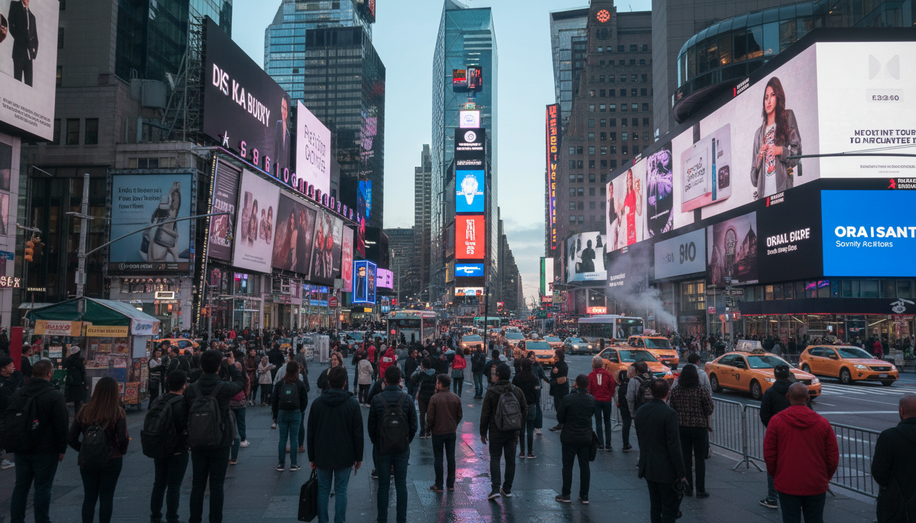

Out-of-home (OOH) advertising thrives on its ability to intercept consumers in the real world, but success demands more than static visibility—it requires agility in the face of seasonal shifts and fleeting events that reshape daily routines. As consumer behavior ebbs and flows with holidays, weather patterns, and cultural moments, brands that adapt their OOH campaigns can turn these dynamics into opportunities for deeper resonance and higher returns.
Seasonality isn’t just a calendar quirk; it’s a predictable force that alters where people go, what they buy, and how they respond to messaging. Retailers see spikes during holidays, when half of consumers visit points of interest within five miles of home, but the other half travels farther, drawn by deals or traditions. Summer brings outdoor pursuits, prompting ads for grills, vacations, and pest control, while back-to-school rushes demand early previews of supplies and tutoring. Spring awakens travel urges for getaways, and holidays layer on festive urgency with colors, symbols, and promotions. Yet, ignoring these rhythms risks wasted impressions. Data shows OOH attribution rates climb 22% during evening commutes for retail brands, and McDonald’s ice cream ads converted 34% better above 85°F—proof that timing and context amplify impact.
The key lies in strategic flight scheduling, which optimizes exposure without constant spending. Pulsing delivers 2-3 weeks of high-intensity bursts followed by lighter maintenance, while dayparting targets peak relevance—like commute hours for services or evenings for entertainment. Seasonal allocation aligns budgets with purchasing cycles, such as ramping up for Q4 holidays or easing into Q1’s lower-demand off-peak, where rates drop 15-25%. This approach cuts costs by 15-25% while sustaining performance, freeing resources for creative punches.
Programmatic digital OOH (DOOH) elevates this adaptability, enabling real-time tweaks based on weather, traffic, or events—boosting relevance by up to 43%. Platforms adjust creatives dynamically: a beverage brand might swap sunny beach scenes for cozy winter motifs as forecasts shift. Audience targeting layers on precision, using mobile data to display ads when demographics are nearby, while geofencing extends reach with mobile retargeting for passersby. For holidays, combining proximity targeting (within five miles of stores) with audience-based planning—hitting lifestyle-matched segments traveling farther—lifted visits by 5.3% in one campaign, generating 19 million impressions over eight weeks. Luxury brands pair this with high-end placements, blending programmatic efficiency and real-world prestige to drive engagement.
Creative adaptation seals the deal, ensuring messages feel native to the moment. Holiday campaigns festoon billboards with QR codes and augmented reality for interactivity, turning passive views into actions. Summer hacks leverage fireworks imagery for Fourth of July sales or staycation promos, while spring themes evoke renewal for travel or wellness products. Consistency across formats matters: maintain visual identity but tailor to strengths, like bold billboards for awareness and street-level panels for directions near retail. High-traffic transit and urban furniture near stores guide footfall, especially in dwell-time spots that reinforce value messaging amid cautious holiday spending.
Format diversification stretches budgets further, mixing premium central billboards with standard and street-level units for frequency without excess cost. Off-peak timing secures upgrades at standard rates, and production consolidation via templates slashes expenses 20-35%. Measurement ties it together: track weather-driven variances, competitive density (where lower saturation boosts effectiveness 12-18%), and sequential messaging across OOH and digital for omnichannel lift.
Brands like an athletic gear e-tailer prove the payoff, syncing OOH-proximal ads with broader channels timed to regional school starts, converting convenience into sales. Clear Channel Outdoor’s RADARView tools now make audience planning seamless, blending proximity data with behavioral insights for campaigns that capture consumers near and far. Forward-thinking advertisers negotiate share-of-voice deals or impression guarantees, aligning costs with delivery and improving ROI 15-25%.
In a world of dynamic behavior, rigid OOH campaigns fade into the background. Those that pulse with seasons—leveraging tech for hyperlocal relevance, timing for efficiency, and creativity for connection—don’t just adapt; they anticipate. As 2026 looms with its own calendar of peaks and lulls, the message is clear: seasonality is OOH’s secret weapon, wielded smartly to resonate year-round and multiply impact from every impression.