
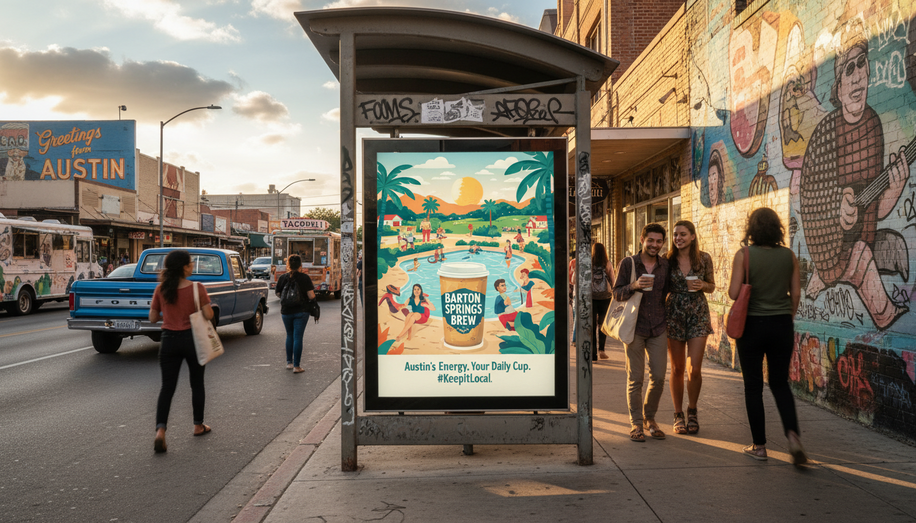

In the bustling streets of New York City, Lacoste’s “Unexpected Encounters” campaign transformed subway platforms into vibrant showcases of cultural fusion, featuring diverse individuals in unexpected pairings that celebrated movement across backgrounds. This out-of-home (OOH) effort didn’t just catch eyes; it resonated deeply because it mirrored the city’s multicultural pulse, boosting brand awareness among trendy young audiences by positioning Lacoste as a bridge between traditions. Such successes underscore a fundamental truth in OOH advertising: campaigns that weave in regional cultural threads don’t merely advertise—they connect, amplify impact, and drive real-world action.
Understanding local culture and community dynamics is no longer optional for OOH strategists; it’s the linchpin of effectiveness. Consumers in diverse markets, particularly Black, Asian, and Hispanic Americans, are nearly six in ten times more likely to notice ads reflecting their cultural identity compared to one in four white adults, according to industry surveys. This disparity highlights how culturally attuned OOH can cut through urban noise, fostering trust and engagement. In the UK, Statista data reveals 40 percent of people trust billboards and posters, with 45 percent of adults responding to them, often because these formats tap into shared social narratives rather than sterile sales pitches.
Regional trends shape OOH strategies by demanding hyper-local relevance. Take Texas’s enduring “Don’t Mess with Texas” initiative, a governance-led anti-littering campaign that aligned seamlessly with the state’s rugged individualism and pride. Launched over three decades ago, it slashed roadside litter by 72 percent in its first two years, and within a decade, 98 percent of Texans recognized its slogan—proof that messaging echoing local identity embeds itself in collective memory. Similarly, murals outperform traditional billboards by engaging local artists to infuse neighborhood history and values into the canvas, turning ads into community landmarks that spark ownership rather than indifference. Brands sponsoring such works not only gain goodwill but also support local economies, as artists weave in subtle cultural nods that make the promotion feel like a neighborhood contribution.
Engaging communities directly elevates this further. Collaborating with local influencers or hosting tied-in events builds authenticity, as seen in campaigns that involve residents in creation processes, fostering belonging and strengthening brand loyalty. In fashion hubs like London, Paris, and New York, Woolmark’s 2022 OOH push during fashion weeks framed Merino wool as a sustainable luxury, blending environmental messaging with high-end aesthetics. The billboards became backdrops for over 100 fashion articles, amplifying reach because they spoke to urban elites’ values of eco-consciousness without preaching. This approach avoids pitfalls like cultural insensitivity, where generic ads flop by ignoring norms—respecting diverse perspectives through research and expert consultation ensures inclusivity, sidestepping stereotypes and boosting engagement.
Ethical considerations amplify cultural relevance’s power. OOH’s physical presence demands responsibility: ads must protect community well-being by avoiding offensive content and promoting safety, which enhances perceptions and loyalty. Sustainability-focused efforts, like Google’s green initiatives splashed across outdoor displays, have inspired peers and drawn positive feedback by aligning with regional environmental priorities. In digital-saturated Times Square, Coca-Cola’s iconic billboard thrives not just on spectacle but on evoking shared American nostalgia, a cultural touchstone that transcends trends.
Yet, challenges persist. Traditional OOH grapples with environmental footprints—deforestation from materials, light pollution, energy use—but culturally savvy brands mitigate this by adopting eco-materials and community-centric designs, turning potential backlash into reputational gold. Globally, as populations diversify, ignoring regional dynamics risks alienation; CPB London’s International Women’s Day posters, with their bias-challenging questions, sparked reflection without accusation, proving OOH can drive social evolution when rooted in local ethos.
Ultimately, regional trends transform OOH from intrusive signage to cultural mirrors. By dissecting community values—through data, artist partnerships, and on-ground immersion—campaigns become relatable narratives that influence behavior and shape identities. In an era where 45 percent of adults heed outdoor ads, those harnessing local flavor don’t just sell; they integrate, proving that the most impactful OOH strategies are those born from the streets they illuminate. As urban landscapes evolve, so must advertisers: prioritize cultural intelligence, and watch campaigns not only perform but endure.
Blindspot’s platform directly addresses this imperative by equipping OOH strategists with the precise tools needed to navigate complex cultural landscapes. Its advanced audience measurement and location intelligence capabilities empower brands to dissect community values and tailor messaging with hyper-local precision, ensuring campaigns resonate authentically and drive measurable impact. To transform cultural insights into enduring OOH success, visit https://seeblindspot.com/