
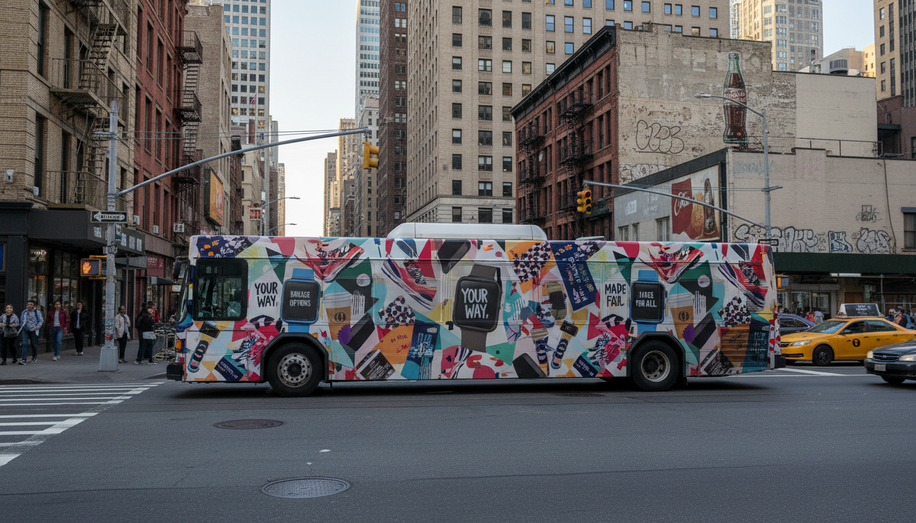

Fifth-generation wireless technology, or 5G, is accelerating the evolution of digital out-of-home (DOOH) advertising from static displays to dynamic, interactive ecosystems that respond instantaneously to audiences and environments. By delivering speeds up to 100 times faster than 4G, ultra-low latency, and massive connectivity for IoT devices, 5G empowers advertisers to share data at unprecedented rates, enabling real-time content adjustments and hyper-personalized messaging that were once constrained by sluggish networks.
Historically, DOOH relied on manual updates like video card swaps, limiting it to brighter versions of traditional billboards with little interactivity. Enhanced connectivity is dismantling these barriers. Screens now pull high-quality 4K videos, augmented reality overlays, and virtual reality experiences without buffering, transforming passive viewers into active participants. For instance, massive installations like the 18,000-square-foot LED billboards at TSX Broadway in New York feature selfie cams, app-linked product interactions, and dynamic crowns that adapt messaging in real time, telling fuller brand stories rather than isolated images.
The core of this shift lies in 5G’s dynamic capabilities. Screens can now engage consumers based on location, behavior, or preferences, serving tailored promotions instantly. Imagine a shopper passing a retail DOOH display: 5G-enabled sensors detect their proximity via IoT integration, cross-reference loyalty app data, and swap generic ads for personalized offers—like a coffee voucher for a frequent buyer—all within seconds. This real-time personalization extends to captive settings, such as rideshare vehicles or transit hubs, where venues intersperse advertiser content with their own promotions, boosting mutual value.
Faster data sharing further amplifies these possibilities. Programmatic advertising thrives under 5G’s bandwidth, allowing real-time bidding and audience analytics that optimize campaigns on the fly. Advertisers analyze foot traffic patterns or weather data to adjust creatives instantly—promoting umbrellas during sudden rain or event tie-ins for nearby concerts—achieving precise geo-targeting that legacy networks couldn’t support due to slow downloads. Businesses can now run interactive polls with live results or behavioral responses, like screens reacting to crowd density by cycling safety messages, reshaping digital signage into agile tools for shopper marketing.
Interactivity reaches new heights with immersive formats. Low-latency 5G supports seamless AR and VR ads, where passersby use mobile apps to virtually try on clothes, preview furniture in their space, or embark on 360-degree brand tours, all synced to the DOOH screen. This fosters deeper engagement: consumers stream songs, play games, or interact with 3D product models, turning billboards into conversation starters that drive measurable outcomes like store visits. As one industry expert notes, such addressable, measurable messaging is a “total game-changer,” enabling nimbler, location-specific creatives that leverage data for superior targeting.
The ripple effects extend beyond content delivery. 5G’s support for vast IoT networks connects smart devices—wearables, vehicles, even refrigerators—creating an interconnected advertising web. A smartwatch might trigger a nearby DOOH ad with a location-based deal, while programmatic systems process this data in milliseconds for optimal bidding. Retailers benefit from faster content deployment, interweaving brand ads with in-house promotions to enhance the full shopping journey. This positions DOOH as a powerhouse akin to booming digital retail media, with growth fueled by ubiquity in urban centers.
Challenges persist, including uneven 5G rollout and the need for creative agencies to innovate beyond repurposed content. Yet, as adoption surges— with telecoms expanding in major cities—advertisers charting paths now will lead the charge. Pushing envelopes with AI-driven optimizations and 3D canvases, DOOH under 5G promises not just visibility, but verifiable impact: higher engagement, conversions, and storytelling that resonates in physical spaces.
Brands embracing this era are experimenting boldly. Partnerships with AR platforms yield virtual try-ons synced to screens, while AI tools personalize based on real-time behavior, elevating campaigns from interruptions to invitations. In rideshares or malls, dynamic messaging adapts to passenger flows or demographics, maximizing relevance. The result? DOOH evolves into a responsive medium, where faster data sharing unlocks endless personalization, proving 5G isn’t just an upgrade—it’s a reinvention.
As 5G blankets more landscapes, expect DOOH to dominate shopper touchpoints, blending physical and digital worlds seamlessly. Advertisers ignoring this transformation risk obsolescence, while pioneers will craft experiences that captivate, convert, and redefine public advertising’s potential.