

Experts Say TV Advertising Will Get an AI-Driven Reset in 2026
Ad buyers and sellers predict AI will transform TV workflows, creative production, and inventory in 2026, with CTV and live streaming at the forefront of a video-fueled revolution.
As 2026 approaches, industry leaders are unanimous: artificial intelligence will deliver a fundamental reset to TV advertising, reshaping everything from creative workflows to ad placement and measurement. Ad buyers and sellers, speaking to the rapid evolution of connected TV (CTV) and streaming, foresee AI not as a mere tool but as a core engine driving efficiency, personalization, and new revenue streams. With video consumption surging across platforms like YouTube and live sports streams, AI’s integration promises to unlock untapped potential while addressing longstanding pain points like wasted budgets and creative fatigue.
The conversation begins with workflows. AI is already upending how advertisers operate, and 2026 will accelerate this shift. According to eMarketer’s outlook, AI will fundamentally alter advertiser behaviors, streamlining planning, buying, and optimization in ways that make traditional TV ad processes feel archaic. Smartly’s 2026 Digital Advertising Trends Report reveals that 46% of marketers currently use AI to scale creative production, with 33% deploying it across creative, media buying, and measurement—a figure poised to climb as tools mature. “AI isn’t just automating tasks; it’s redefining strategic thinking,” notes one trend analysis, pointing to smarter models that enable pre-campaign audience analysis and persona insights before a single ad airs.
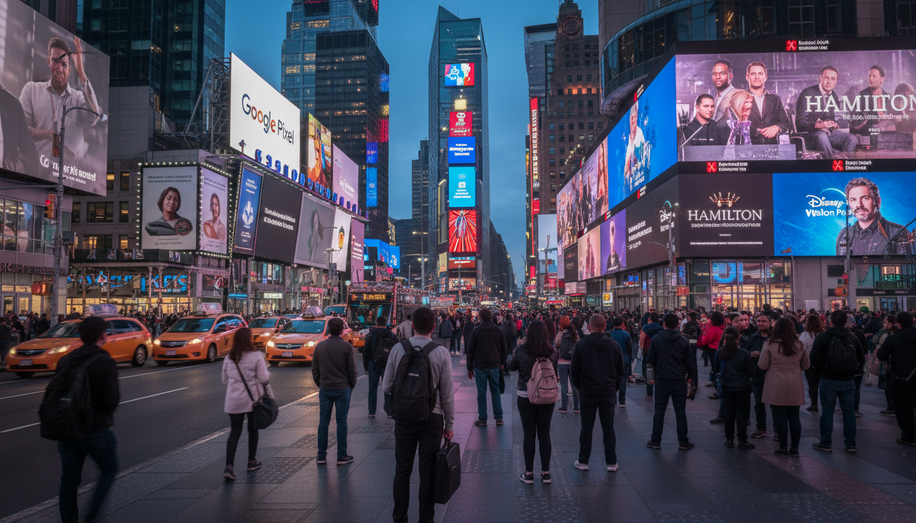
For TV specifically, this means a pivot toward hyper-personalized content delivery on CTV and smart TVs. Rising video habits will crown CTV and YouTube as major winners, as consumers flock to immersive experiences on big screens. Ad buyers highlight how AI-driven tools will localize content dynamically, inserting virtual ads, product placements, and AI-generated overlays without interrupting the viewer. Operative’s forecast on live streaming trends emphasizes this: AI and virtual advertising will create “new inventory opportunities,” turning live sports—streaming’s crown jewel—into programmable goldmines. Imagine a halftime show where AI pauses the action for tailored brand integrations, or creator-led companion content that engages viewers via social overlays, all monetized at scale.
Sellers on the media side are equally bullish. Media companies, long constrained by static ad breaks, will leverage AI to shift from one-off premium deals to fully programmatic ecosystems. “It’s early days, but the tech is here,” one report states, citing creative ad-tech firms already enabling pause ads and data-driven signage. This extends to extended content formats, where AI enhances attention spans during live events, opening doors for immersive integrations that keep viewers glued—and brands top-of-mind.
Yet, challenges loom large. Marketers worry about AI’s double-edged sword: while it speeds production, it risks a sea of “sameness.” Smartly’s survey finds three in four respondents concerned that AI-generated creatives could make brands indistinguishable, with 86% spotting competitor knockoffs in outputs. The antidote? A push for “originality with AI,” where tools amplify brand authenticity rather than erode it. Up to 30% of marketing budgets currently go to waste, per industry consensus, but AI’s creative intelligence—analyzing past campaigns for insights—promises to slash that inefficiency.
Privacy concerns add another layer. As cookies crumble further, synthetic audiences emerge as a game-changer, using AI to simulate real viewer data without compromising personal information. Zeta Global’s predictions underscore this, forecasting AI’s role in redefining measurement and personalization for customer experiences that feel eerily precise. On the TV front, EY’s media trends point to frictionless streaming powered by AI innovation, blending authenticity with immersive experiences to retain audiences amid cord-cutting.
Ad buyers like those at major agencies are already reallocating budgets. Video channels, including CTV, will command larger shares as AI optimizes cross-platform delivery. Smart TV app development trends reinforce this, with AI enabling use cases like real-time personalization in living rooms. Live streaming, from sports to creator content, will explode with AI overlays that localize ads geographically—think a New York Knicks game featuring regional sponsors via virtual billboards.
CMOs leading the charge agree. Adweek spotlights 10 executives set to drive waves in 2026, many championing AI for strategic resets in TV spend. Their playbook: integrate AI early in the funnel for pre-campaign analysis, then scale with synthetic data for privacy-compliant targeting.
The reset won’t be seamless. Conflicting priorities—authenticity versus scale, privacy versus precision—will test the industry. Still, the trajectory is clear: by late 2026, TV advertising will look unrecognizable, with AI as the architect. Ad buyers and sellers concur that those who adapt fastest will dominate the video renaissance, turning big screens into intelligent ad canvases.
(Word count: 712)