
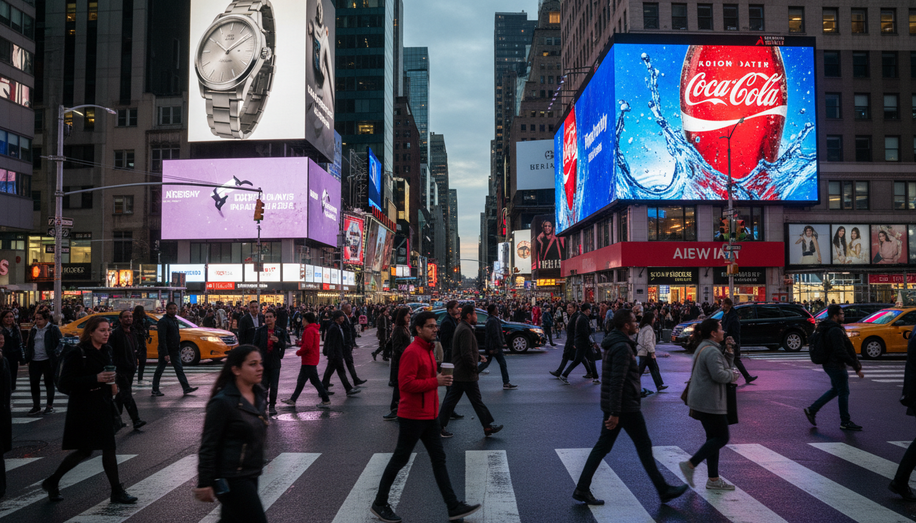

The Power of Geofencing in Location-Based OOH Advertising
Geofencing revolutionizes out-of-home (OOH) campaigns by creating virtual boundaries around ad sites, delivering hyper-targeted mobile messages to nearby consumers for personalized, measurable impact that boosts engagement and ROI. (148 characters)
Geofencing technology has emerged as a game-changer in out-of-home (OOH) advertising, transforming static billboards and digital screens into dynamic hubs of personalized marketing. By leveraging GPS and location-based data, advertisers draw virtual perimeters—known as geofences—around key sites like billboards, transit stops, or event venues. When consumers’ smartphones enter these zones, tailored digital ads trigger in real time, bridging the physical and digital worlds with unprecedented precision.
This integration addresses longstanding challenges in OOH, where broad reach has often come at the expense of measurability. Traditional outdoor ads excel at building brand awareness, but proving direct impact on sales or foot traffic has been elusive. Geofencing changes that by capturing audience data from physical encounters and enabling seamless retargeting online. For instance, a commuter spotting a billboard for a new restaurant might later receive a mobile coupon for that exact spot, reinforcing the message and prompting immediate action.
The power lies in its ability to create cohesive, multi-channel journeys. Consider a regional marina targeting summer boat rentals. By geofencing nearby lakes, campgrounds, and events, the campaign delivered 2.7 million mobile impressions with a 0.61% click-through rate—outpacing industry benchmarks—and drove a 35% surge in weekend bookings. This real-world synergy of location precision and programmatic display turned passive exposure into active conversions.
Retailers and e-commerce brands reap similar rewards. A clothing store in a shopping district can pair billboards directing foot traffic with geofenced mobile promotions, ensuring only nearby shoppers see personalized offers like flash discounts on winter gear in ski towns or sunscreen at beach hotspots. Starbucks took this further, geofencing office districts to push seasonal drink ads on nearby digital OOH screens during peak hours, spiking cafe visits through hyper-local relevance.
Event marketing amplifies the effect even more. Near stadiums or concert arenas, geofences allow billboards to spark initial interest while mobile follow-ups promote ticket upgrades, merchandise, or post-event deals. A beverage brand at a music festival dynamically adjusted DOOH ads based on weather—cold drinks on hot days, warm ones when chills set in—heightening engagement by responding to real-time conditions.
What sets geofencing apart is its data-driven edge. Advertisers gain granular metrics on foot traffic, dwell time, conversions, and engagement rates, quantifying OOH’s true value. A car dealership, for example, tracked mobile data from geofenced promotions on nearby screens, confirming rises in showroom visits and sales during campaign windows. This feedback loop enables real-time tweaks: optimize ad creatives, refine targeting, or shift budgets to high-performing zones based on live performance.
Programmatic platforms supercharge this by automating ad delivery across apps, social media, and mobile web. Brands can layer behavioral data atop location signals, retargeting not just who passed a billboard but those showing purchase intent, like app users browsing similar products. The result? Reduced waste, higher ROI, and sequential messaging—awareness via OOH, action via digital—that feels intuitive rather than intrusive.
For outdoor recreation brands, the fit is natural. Geofencing trailheads, golf courses, or competitor stores lets them intercept enthusiasts with context-aware pitches, from gear rentals to bookings, scaling campaigns seasonally for peak profitability. Hyper-local campaigns thrive too: a restaurant billboard triggers ads only to passersby, while analytics reveal peak times for adjustments like weather-tied specials.
Challenges exist, of course—privacy concerns demand transparent opt-ins and compliant data use—but advancements in anonymized tracking mitigate risks while delivering value. Agencies like Effortless Outdoor Media and EMC Outdoor specialize in these integrations, pairing prime OOH placements with geofencing for “precision meets impact” strategies that elevate entire campaigns.
Ultimately, geofencing empowers OOH advertisers to deliver the right message to the right person at the precise moment. By turning locations into launchpads for personalized experiences, it not only enhances effectiveness but redefines OOH as a measurable powerhouse in the digital age. Brands ignoring this fusion risk leaving conversions on the table, while adopters forge deeper consumer connections that drive sustained growth.
(Word count: 712)