

Interactive Digital Billboards: Touchpoints That Turn Passersby into Brand Advocates
Interactive digital billboards are revolutionizing out-of-home (OOH) advertising by incorporating touchpoints like gestures, AR, and real-time data to boost engagement and forge deeper consumer connections.
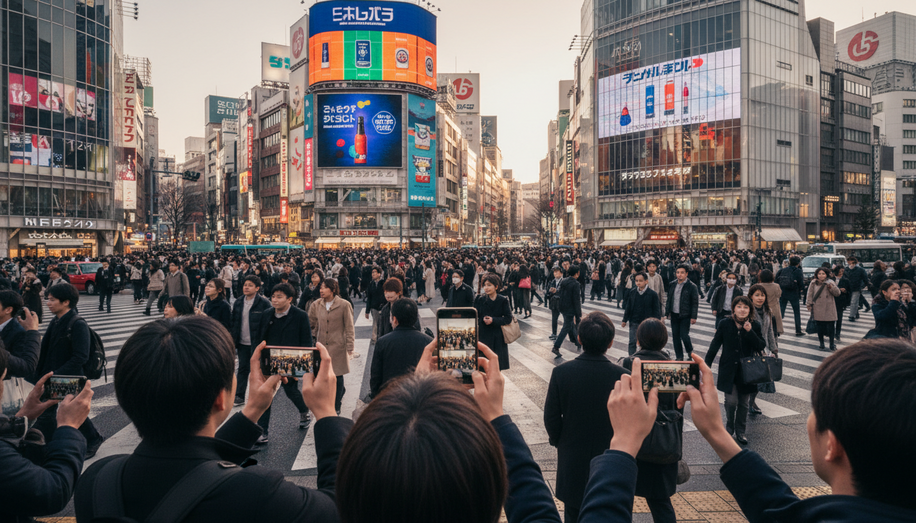
In the bustling streets of global cities, where attention spans flicker like neon lights, interactive digital billboards stand out as beacons of immersion. These aren’t your grandfather’s static posters; they’re dynamic canvases that respond to human touch, motion, weather, and even social media feeds, transforming passive viewers into active participants. By embedding touchpoints—those pivotal interaction moments—brands elevate simple glances into memorable encounters, driving higher recall and loyalty. As OOH evolves in 2025, data shows these innovations yield viral shares, foot traffic surges, and measurable sales lifts, proving interactivity is no gimmick but a core engagement engine.
At the heart of this shift are touch-responsive screens that invite direct manipulation. Imagine a pedestrian in Colombia leaning against a KitKat billboard for a stress-relieving vibration massage, embodying the slogan “Have a break, have a KitKat.” The screen buzzes to life, blending physical sensation with brand messaging, drawing crowds eager to “have a go.” Similarly, Gymshark’s clever “shoplift-ing” campaign pinned real clothing items to a board, revealing discount messages as viewers plucked them off—up to 60% off gym essentials. This tactile touchpoint turned theft into playful participation, amplifying buzz through word-of-mouth and social proof.
Motion tracking takes interactivity further, personalizing the spectacle. Reebok’s Stockholm speed test billboard used cameras to clock runners dashing past, awarding free ZPump 2.0 trainers to those hitting 10.5 mph. Pedestrians competed spontaneously, their times displayed in real-time, creating a public arena of fun and competition that not only entertained but tied directly to product performance. British Airways elevated this with a London display featuring a child who “sprang to life” when planes overhead, pointing to live flight data like destinations and numbers. Such contextual responsiveness makes ads feel alive and relevant, fostering emotional ties.
Augmented reality (AR) billboards extend touchpoints beyond the physical screen, pulling consumers into virtual realms via smartphones. Verizon’s Miami AR murals during Art Basel, painted by local artists, exploded into animations when scanned, racking up 657,000 plays, 670,000 views, and over 1,000 social posts. Users triggered immersive experiences tied to storefronts, blending art, location, and brand in a shareable spectacle. Doritos’ “Make Your Play” campaign offered a scannable link to a playable AR portal for concert tickets, turning a static board into a gateway for real rewards and festival excitement. These AR layers deepen connections by empowering users to co-create content, often leading to organic virality as videos flood TikTok and Instagram.
Social media integration supercharges these touchpoints, creating feedback loops. Billboards that reward hashtag shares with discounts or feature user-generated content in real-time—such as selfies from a green-screen backdrop—extend campaigns digitally. Spotify’s data-driven boards personalized jabs like “Dear person who played ‘Sorry’ 42 times on Valentine’s Day,” while McDonald’s adapted to weather, pushing McFlurrys on hot days or coffee in the cold. This hyper-relevance makes consumers feel seen, spiking engagement as they screenshot and share.
Even 3D and robotic elements add interactive flair without full touchscreens. Coca-Cola’s Guinness-record Times Square behemoth, spanning six stories with 1,760 LED modules, delivered depth and motion that mesmerized crowds, often paired with AR for scans revealing hidden animations. Google’s Samsung Galaxy Z Flip4 collab with Ludacris brought hands-free selfies to life in 3D, inviting passersby to engage via phone for futuristic content creation.
The results speak volumes. Interactive billboards generate exceptionally high impressions and participation rates, far outpacing traditional OOH. They boost human traffic—3D examples alone draw crowds and profits through viral sharing. Public spectacles foster virality: one clever display engages not just the participant but onlookers filming the fun, amplifying reach exponentially. Brands like Netflix, Women’s Aid, and Burberry have leveraged polls, gestures, and configurators to leave lasting impressions, increasing awareness and conversions.
Yet success hinges on execution. Effective campaigns balance wow-factor with clear calls-to-action, emotion, and brand identity over mere tech dazzle. Multi-function screens in high-traffic spots—revealing messages via levers or buttons—ensure visibility even for non-interactors. As LED tech, AI, and AR advance, 2025 trends point to more personalized, data-fueled experiences across physical and digital planes.
For OOH publishers and advertisers, the message is clear: static is obsolete. Interactive touchpoints don’t just capture eyes—they command hearts, turning billboards into conversation starters that deepen brand bonds in an ad-saturated world. As urban screens grow smarter, expect more campaigns where consumers aren’t audiences, but stars.