
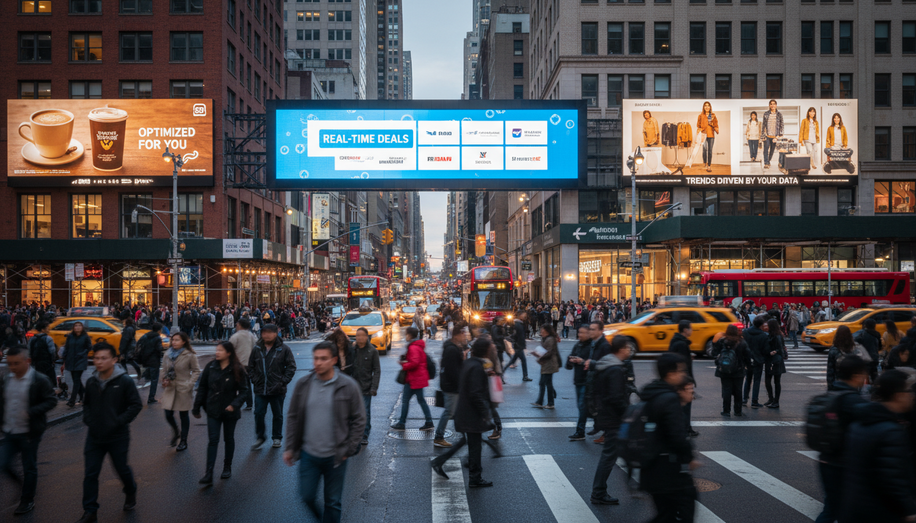

Harnessing Data Analytics for Real-Time Campaign Optimization in OOH
Data analytics revolutionizes out-of-home advertising by enabling precise measurement of campaign effectiveness and real-time adjustments, driving superior ROI through targeted insights and dynamic decision-making. (148 characters)
Outdoor advertising, long a staple of mass-market reach, is undergoing a profound transformation powered by data analytics. Once measured solely by impressions—crude estimates of passersby—OOH campaigns now leverage sophisticated tools to track engagement, audience behavior, and business outcomes in real time. This shift allows marketers to optimize campaigns on the fly, ensuring ads remain relevant amid fluctuating conditions like weather, traffic, or events. The result is not just visibility, but verifiable impact that rivals digital channels.
At the heart of this evolution is real-time campaign tracking, which dismantles the old “set it and forget it” model. Tools such as anonymous mobile location data and device tracking provide advertisers with live impression counts, revealing which billboard locations and designs resonate most. For instance, if a digital billboard in a high-traffic urban corridor underperforms during rush hour, marketers can immediately pivot—swapping creatives or reallocating budget to peak performers. Clear Channel Outdoor’s Inflight Insights exemplifies this capability, delivering weekly aggregated reports on audience visitation patterns, including who sees the ads (based on shared behaviors), when they visit stores, and how far they travel from the billboard. This “in-flight” data empowers mid-campaign tweaks, much like A/B testing in digital ads, where variations in messaging or visuals are tested against real-world metrics like QR scans or foot traffic lifts.
Dynamic Creative Optimization (DCO) takes this further, automating adjustments based on contextual triggers. Leveraging first- and third-party data—such as footfall, traffic patterns, weather, or time of day—DCO enables billboards to serve hyper-relevant content instantly. A quick-service restaurant might display rain-friendly offers during storms or commuter specials at peak hours, detected via real-time audience concentration. Programmatic DOOH (pDOOH) platforms amplify this by allowing automated buying of inventory and creative rotation without manual intervention, scaling tests across networks for rapid insights. Nike harnessed such analytics for product launches, monitoring impressions and engagement to sync ads with peak foot traffic, boosting interactions and sales. Similarly, McDonald’s optimized weather-tied promotions, analyzing conversions to push menu items that drove immediate store visits.
Beyond reactivity, data analytics elevates measurement from impressions to meaningful outcomes. Traditional OOH struggled with attribution, but integrations like pixel-based retargeting and cross-platform tracking now link billboard exposure to downstream actions—website visits, purchases, or store traffic. This provides a fuller consumer journey view, aligning OOH with omnichannel strategies. INRIX’s billboard analytics, for example, uses real-time metrics to quantify effectiveness, while Claritas tools measure precise conversion rates. Advertisers gain actionable intelligence: distance traveled post-exposure, peak visitation days, and segment-specific responses, enabling budget shifts toward high-ROI elements.
The competitive edge is stark. Brands embracing these tools achieve agility that static campaigns cannot match. Real-time optimization minimizes waste, with small creative changes yielding outsized gains—better targeting by demographics or behaviors ensures ads hit the right eyes at optimal moments. Location data pinpoints commuter routes favored by specific income brackets or lifestyles, refining placements for efficiency. In a fragmented media landscape, this data-driven precision positions OOH as a performance channel, drawing budgets from pure digital plays.
Challenges persist, including data privacy and integration hurdles, but advancements like aggregated reporting mitigate these. As digital billboards proliferate, analytics platforms continue to mature, blending OOH’s massive scale with digital-like accountability. For advertisers, the message is clear: harnessing data isn’t optional—it’s the key to future-proofing campaigns in a real-time world. Those who adapt will not only measure success but multiply it, turning public spaces into precision marketing engines.