
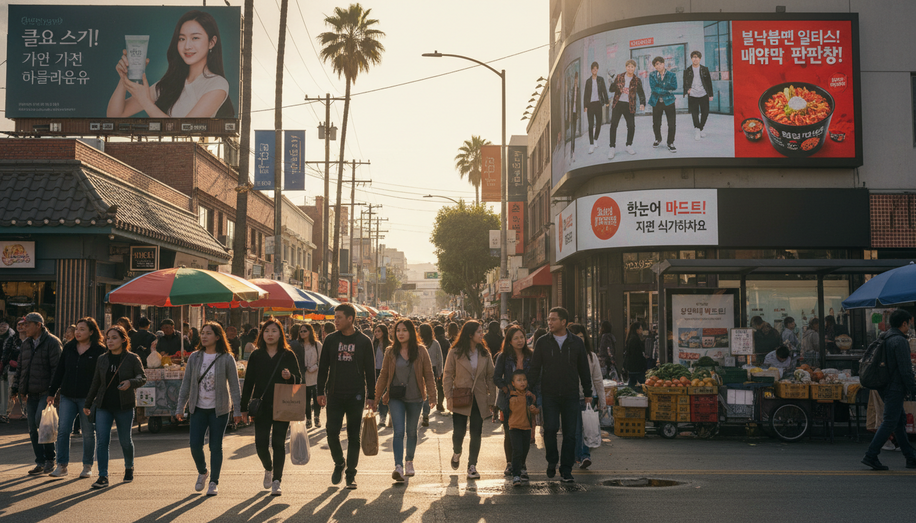

Localized Messaging: The Future of OOH Advertising in Diverse Communities
Discover how tailored OOH strategies that honor cultural nuances and local contexts are revolutionizing brand engagement, driving relevance, and forging deeper connections in multicultural markets. (148 characters)
In an era of fragmented audiences and hyper-connected urban landscapes, out-of-home (OOH) advertising is evolving beyond broad strokes to embrace localized messaging—precision-tailored campaigns that speak directly to the cultural, linguistic, and communal heartbeats of diverse neighborhoods. This shift isn’t just a trend; it’s a necessity for brands seeking authentic resonance in increasingly multicultural societies. By weaving in local slang, cultural icons, seasonal events, and hyper-specific contexts, OOH transforms from intrusive billboards into cultural mirrors that reflect and celebrate community identity, boosting recall and conversion in ways generic ads never could.
The power of localization lies in its ability to humanize brands amid the noise of daily commutes and city pulses. Traditional OOH often blasts uniform messages across vast expanses, but site-specific adaptations flip the script. Consider HSBC’s “Not An Island” campaign across UK cities, where each billboard celebrated hyper-local heritage—Liverpool’s maritime grit in one, Edinburgh’s historic pride in another—forging emotional bonds through demonstrated cultural fluency. Such efforts demand rigorous research to avoid missteps, like misinterpreting slang or landmarks, which can alienate rather than attract. When done right, however, localized OOH elevates brands as community insiders, not outsiders imposing from afar.
Diverse communities amplify this imperative. In cities like New York, London, or Toronto, where ethnic enclaves thrive alongside global hubs, one-size-fits-all advertising falls flat. Tailoring creatives to cultural touchpoints—referencing Diwali festivals in South Asian quarters or Lunar New Year in Chinatown—creates instant relatability. Brands that incorporate bilingual copy, community-specific humor, or nods to local heroes see engagement soar, as messages feel personal rather than prescriptive. Hyper-local billboard strategies, for instance, target precise geographic pockets, using neighborhood vernacular to prompt immediate action like store visits or event attendance, yielding higher conversion rates than broader blasts.
Technology supercharges this future. Digital OOH (DOOH) unlocks dynamic, data-driven localization, pulling live feeds like weather, traffic, or events to morph messaging in real time. McDonald’s once triggered ice cream ads on digital screens when temperatures hit 22°C, overlaying city names and exact temps above 25°C—perfectly syncing product relevance with local conditions and spiking demand. Programmatic DOOH takes it further, layering demographic, behavioral, and proximity targeting: ads near gyms promote fitness drinks to health-conscious passersby, while those by ethnic markets highlight culturally attuned products. Jack in the Box’s campaign, geo-fencing a 2-mile radius around restaurants, generated 1.3 million store visits with a 12:1 ROI, proving how environmental triggers—weather, time of day, local happenings—turn static displays into responsive dialogues.
Contextual placement cements these gains. Effective campaigns marry message to medium, positioning screens in high-relevance zones: transit hubs for commuters, retail corridors for shoppers, cultural districts for community events. Diversifying formats—from towering urban billboards to intimate elevator screens in office towers or malls—ensures omnipresence without dilution. Proximity marketing shines here, serving ads to audiences within striking distance of points of interest, blending OOH with mobile retargeting for seamless journeys from sighting to purchase. Cross-channel synergy amplifies impact: QR codes on billboards funnel traffic to localized landing pages, while social amplification turns experiential activations—like pop-up cultural demos—into viral moments, lifting engagement 2-3x over siloed efforts.
Yet success hinges on cultural sensitivity and data ethics. Research underscores that flubbed localization backfires spectacularly, eroding trust in diverse groups wary of performative gestures. Oatly’s hyper-local OOH, zeroing in on neighborhood vibes from vegan hotspots to indie cafes, succeeded by partnering with locals for authentic voice, not top-down imposition. Metrics back the promise: interactive localized elements yield 45% higher recall and triple social buzz; data-optimized creatives adapt to audience shifts, seasonal fluxes, or even live events for sustained relevance.
Looking ahead, localized messaging positions OOH as the ultimate connector in diverse communities, where global brands must prove local love. As programmatic tools mature and AI refines cultural insights, expect OOH to pioneer “community-first” advertising—hyper-relevant, inclusive, and impossibly ignorable. For publishers and planners, the directive is clear: scout the streets, listen to the locals, and craft messages that don’t just sell, but belong. This isn’t the future of OOH; in multicultural markets, it’s the only path forward.