
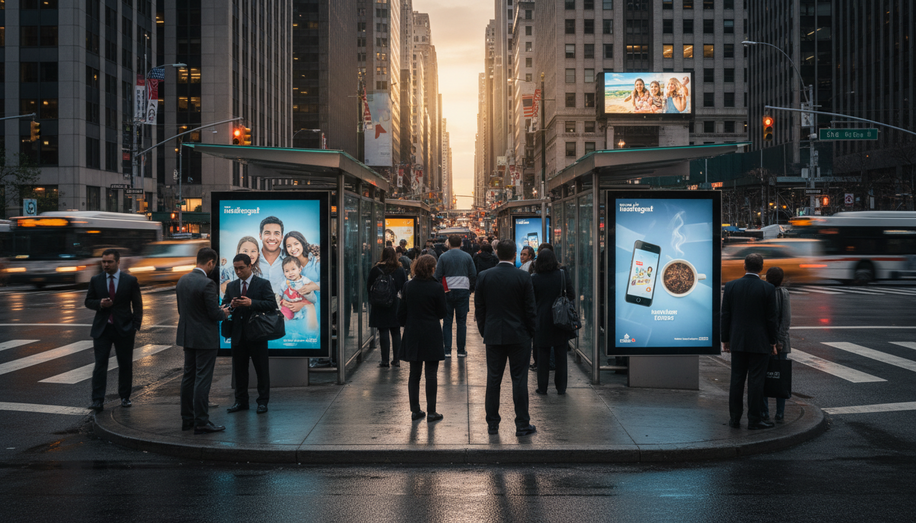

Transforming Urban Spaces: The Evolution of Street Furniture as Advertising Platforms
Street furniture like bus stops and benches is evolving into smart, multifunctional hubs blending branding with community services, driven by digital tech and urban growth for hyper-local impact. (148 chars)
In bustling city streets, the humble bus shelter and park bench are shedding their utilitarian skins. Once mere fixtures for waiting commuters or weary walkers, these elements of street furniture are now dynamic canvases for advertising that double as vital urban amenities. This transformation reflects a broader evolution in out-of-home (OOH) advertising, where public infrastructure meets cutting-edge technology to serve both commercial interests and community needs.
The global street furniture market, valued at USD 5.6 billion in 2024, is projected to grow at a 6.7% compound annual growth rate through 2034, fueled by rapid urbanization and smart-city initiatives. Cities worldwide are reimagining these spaces not just for ads, but as integrated solutions that enhance livability. Solar-powered benches with built-in USB ports, Wi-Fi-enabled bus shelters, and digital kiosks offering real-time transit updates exemplify this shift. These innovations align with climate goals and pedestrian-friendly designs, turning advertising platforms into everyday utilities that foster connected, future-ready communities.
At the heart of this evolution is the premium positioning of street furniture in high-traffic urban zones. Bus shelters, benches, kiosks, and urban panels provide eye-level engagement with pedestrians, commuters, and shoppers—formats that deliver exceptional visibility and recall rates, with studies showing up to 85% audience retention. Unlike towering billboards, these close-up displays integrate seamlessly into daily routines, proximity to retail driving immediate action while minimizing visual clutter.
Digital transformation has accelerated this reimagining. Static posters are relics; 2025 trends spotlight dynamic, programmatic displays that update in real time based on weather, traffic, time of day, or local events. A bus shelter screen might promote hot beverages during a chilly downpour or celebrate a neighborhood sports victory, ensuring contextual relevance that boosts memorability. Programmatic buying democratizes access, allowing small businesses to share space affordably with flexible scheduling and precise targeting—trends that grew street furniture revenue by 7.4% in the second quarter of 2025 alone.
Interactivity bridges the physical and digital worlds, making these spaces true community hubs. QR codes, NFC tags, and augmented reality (AR) overlays on benches or shelters invite instant engagement: scan for exclusive deals, access AR experiences that make ads “break out” of their frames, or even facilitate immediate purchases. Picture a 3D digital cat on a kiosk that playfully interacts with passersby, sparking social media shares and word-of-mouth buzz. Such features extend OOH’s reach into omnichannel campaigns, retargeting viewers via mobile while measuring ROI through IoT data and analytics.
Hyper-local and geo-targeted campaigns further embed brands into urban fabric. Ads tailored to neighborhood landmarks, cultural events, or seasonal vibes forge authentic connections, reflecting local pride rather than generic pitches. In senior-heavy districts, messaging emphasizes comfort; for trendy youth areas, it highlights innovation. This precision counters common pitfalls like audience mismatch or design overload, where cluttered visuals fail in fleeting glances.
Yet success demands balance. Over-advertising risks “visual pollution,” frustrating residents amid strict city regulations on placement and aesthetics. Sustainability emerges as a differentiator: eco-friendly materials, energy-efficient digital screens, and minimal-waste designs appeal to environmentally conscious urbanites. Brands ignoring these—like those skipping interactivity for outdated static ads—miss engagement from tech-savvy millennials and Gen Z.
Street furniture’s revenue recovery post-pandemic underscores its resilience, outpacing other OOH segments as transit and pedestrian traffic rebounds. Experiential elements, from AR flashpoints at bike racks to charging docks doubling as promo hubs, lodge brands in collective memory. Small businesses leverage this affordability for foot-traffic boosts, while majors secure premium spots via specialists like Pearl Media.
Challenges persist: competition from digital media siphons budgets, and regulations curb creativity. Still, when executed thoughtfully—prioritizing simplicity, relevance, and tech—street furniture transcends advertising. It revitalizes public spaces, blending commerce with convenience. In 2025, as cities densify, these platforms promise not just impressions, but meaningful urban evolution: spaces where waiting becomes worthwhile, and branding builds belonging.
(Word count: 712)