

The Future of OOH in Smart Cities: Advertising as Urban Infrastructure
Discover how smart city tech fuses OOH advertising with cityscapes, enabling data-driven, interactive experiences that boost engagement and ROI in urban environments. (148 chars)
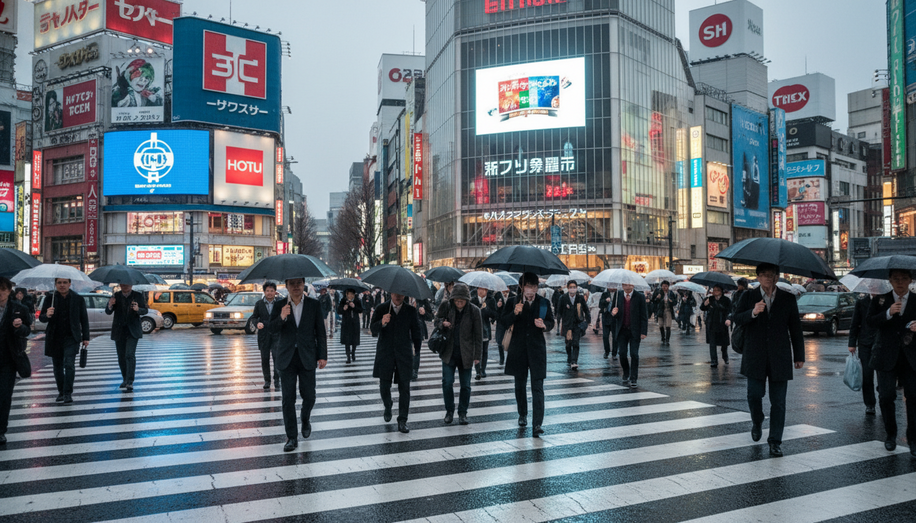
In the world’s burgeoning smart cities, out-of-home (OOH) advertising is evolving from static billboards to dynamic, integral components of urban infrastructure. Technologies like artificial intelligence, augmented reality, and real-time data analytics are embedding ads seamlessly into the fabric of city life, turning streets, transit hubs, and public spaces into interactive brand ecosystems. This integration promises not just visibility, but measurable, personalized consumer connections that align with the pulse of urban movement.
Smart cities, with their networks of sensors, 5G connectivity, and IoT devices, provide the perfect backbone for this transformation. Digital out-of-home (DOOH) displays now pull live data from traffic patterns, weather feeds, and demographic insights to deliver hyper-relevant content. A billboard in a bustling intersection might switch from promoting iced coffee during a heatwave to umbrellas as rain clouds gather, all powered by AI algorithms that optimize for maximum impact. In Sydney or Melbourne, where tech infrastructure thrives, these “smart billboards” analyze audience demographics in real-time, ensuring ads resonate with passersby—young professionals in business districts or families near parks.
This data-driven precision extends to programmatic OOH, where ad space is bought and sold automatically based on audience behavior, time slots, or environmental conditions. Advertisers can target commuters precisely, like working professionals traveling from urban cores to tech hubs, using mobile data insights for pinpoint accuracy. Global investment in DOOH underscores the momentum: it grew 15% in 2024 and is projected to rise another 14.9% in 2025, hitting $17.6 billion, fueled by such urban integrations.
Beyond adaptability, smart city OOH fosters seamless interactions between physical ads and digital lives. QR codes, NFC tags, Bluetooth beacons, and geofencing link billboards directly to smartphones, bridging the offline-online divide. A transit ad might prompt a scan for an AR product demo or exclusive discount, directing users to apps or social platforms and tracking the full customer journey from street view to purchase. In Delhi’s expanding metro networks, real estate developers have used DOOH screens to stream live site progress videos, spiking walk-in inquiries by 25%. Such mobile synergies not only enhance engagement but provide granular analytics—dwell time, demographics, conversion rates—making OOH a cornerstone of omnichannel strategies.
Urban infrastructure itself is becoming the canvas. Projection mapping and 3D digital billboards project immersive stories onto buildings, while AI-driven site selection uses satellite imagery and foot traffic models to identify optimal spots, from high-traffic gym entrances to university campuses. In smart cities like those in Australia or India’s NCR region, this means tailored creatives: beachside ads for swimwear versus corporate区 visuals in financial hubs. Sustainability adds another layer, with solar-powered billboards and eco-friendly materials aligning OOH with green urban agendas, as cities mandate recyclable installations.
Yet, this future hinges on ethical execution. Privacy concerns around data collection demand transparent practices, while over-saturation risks ad fatigue in dense smart environments. Advertisers partnering with savvy agencies gain integrated dashboards for real-time tweaks, justifying premium rates through proven ROI. Hybrid approaches blending traditional banners with digital overlays ensure broad reach, as seen in 2025 strategies where static elements meet AR for immersive engagement.
Looking ahead, OOH’s role in smart cities will deepen with AR/VR overlays on public screens and AI-personalized feeds synced to individual smartwatches or vehicle HUDs. As urbanization accelerates, advertising won’t just decorate infrastructure—it will enhance it, delivering value through contextual relevance and experiential storytelling. Brands that master this fusion will capture attention in the world’s most connected urban landscapes, proving OOH’s enduring vitality in a digital age.