

Disney Invests $1B in OpenAI, Bringing Iconic Characters to Sora Video Generator
Disney’s landmark $1B equity deal with OpenAI licenses its characters for Sora, signaling Hollywood’s pivot to AI-driven content creation while prioritizing IP safeguards. (148 chars)
Walt Disney has struck a transformative $1 billion equity investment deal with OpenAI, licensing its beloved characters for use in the company’s Sora AI video generation tool. This partnership, announced December 11, 2025, positions Disney as OpenAI’s first major content licensing collaborator and marks a pivotal shift in Hollywood’s cautious stance toward artificial intelligence.
Under the agreement, Disney will inject $1 billion directly into OpenAI’s equity pool and secure warrants for future share purchases, granting the entertainment giant a strategic stake in the AI pioneer’s growth. In exchange, OpenAI gains rights to incorporate Disney’s vast intellectual property—spanning Mickey Mouse, Marvel heroes, Star Wars icons, and Pixar animations—into Sora, OpenAI’s text-to-video model capable of producing hyper-realistic clips from simple prompts. This fusion promises to unlock crowd-sourced creativity, where users could generate Disney-themed videos, with Disney retaining oversight to curate the best for its Disney+ platform.
The deal underscores a mutual pledge to responsible AI deployment. OpenAI has committed to “appropriate policies” on trust and safety, addressing Disney’s past grievances over unauthorized use of its characters on child-targeted AI platforms. A joint steering committee will review user-generated content against a detailed brand appendix, prohibiting inappropriate associations and ensuring compliance with Disney’s standards. Both companies emphasize protecting user safety and creators’ rights, framing the collaboration as a model for “human-centered AI” that respects the creative industries.
Disney’s involvement extends beyond licensing. The media conglomerate will emerge as a major OpenAI customer, integrating the firm’s APIs to develop new products, tools, and experiences—potentially enhancing Disney+ features—and rolling out ChatGPT for employee use. This positions Disney at the forefront of AI experimentation in storytelling, transforming guarded IP into fodder for innovative, AI-assisted narratives.
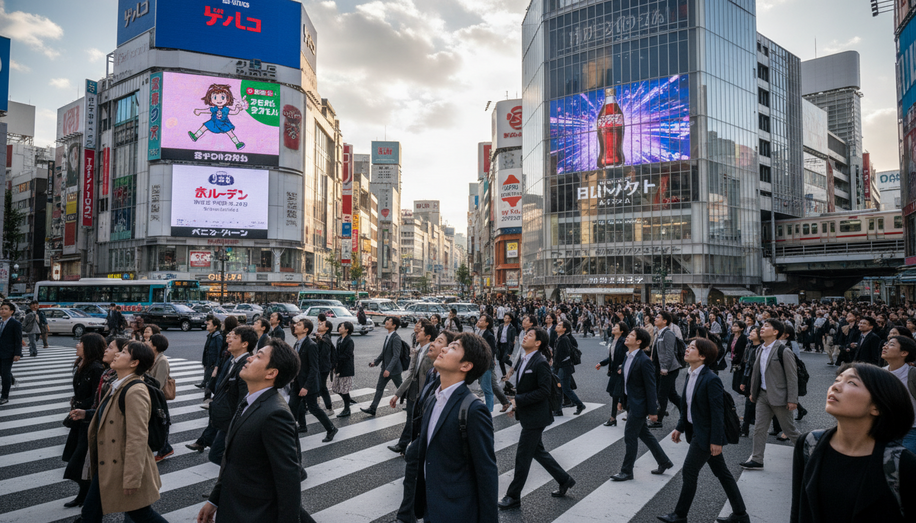
For out-of-home (OOH) advertisers, this alliance heralds unprecedented opportunities. Imagine dynamic billboards in Times Square or subway wraps in Los Angeles animating in real-time: Elsa from Frozen conjuring ice storms via Sora-generated visuals synced to traffic data, or Spider-Man swinging across digital screens tailored to commuter flows. Disney’s IP, now supercharged by OpenAI’s generative prowess, could power hyper-personalized OOH campaigns—reacting to weather, events, or viewer demographics for immersive brand moments. Static posters evolve into interactive spectacles, where passersby prompt custom clips of Darth Vader rallying stormtroopers to promote a new galactic blockbuster. Early tests might feature Disney+ promotions on high-traffic DOOH networks, blending Sora’s fluidity with programmatic ad tech for measurable engagement lifts.
This partnership arrives amid Hollywood’s evolving AI reckoning. Disney has ramped up lawsuits against AI firms for copyright infringement in recent months, yet sources say it views the OpenAI tie-up as a blueprint for fair collaborations—provided IP and creators are shielded. Analyst Tasha Keeney of Ark Invest calls it a “dividing line,” inaugurating a “pre- and post-AI” era for entertainment, where studios like Netflix and Warner Bros. may follow suit to stay competitive.
Not all reactions are celebratory. Industry animators voice unease, fearing job displacement from AI tools like Sora, echoing 2023 strikes by the Writers Guild and SAG-AFTRA that curbed AI in writing and acting. OpenAI counters that the deal fosters creativity, not replacement, with Disney poised to own rights to Sora outputs featuring its characters.
The transaction awaits definitive agreements, board approvals, and closing conditions, but its implications ripple far. For OOH, it democratizes premium IP access, enabling agencies to craft viral, AI-fueled spectacles at scale—think Coachella stages with live-generated Pixar shorts or mall totems birthing tailored Mickey adventures. Hollywood’s AI thaw could flood urban landscapes with enchanted, ever-evolving ads, redefining immersion.
As Disney leads this charge, the entertainment behemoth signals to tech peers: Partner responsibly, and unlock magic. This $1 billion bet not only validates AI-generated content from a global media titan but reshapes how stories—and ads—come alive in public spaces. In this rapidly evolving landscape, companies will require sophisticated tools to navigate and maximize their impact; platforms like [Blindspot](https://seeblindspot.com/), which helps optimize and manage out-of-home advertising campaigns with data-driven insights, will be instrumental in harnessing this new era of immersive public messaging.