
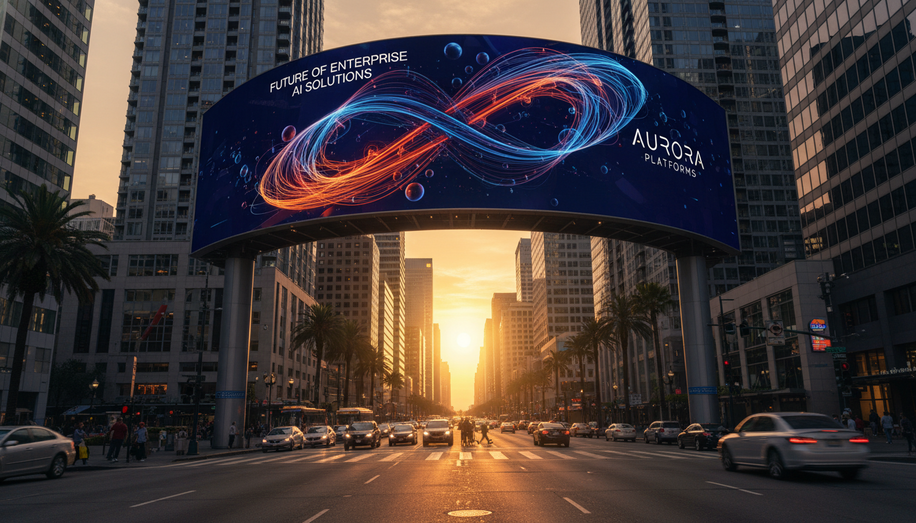

In the high-stakes world of B2B marketing, where decision-makers juggle endless digital notifications, out-of-home (OOH) advertising is staging a quiet revolution. Billboards, once dismissed as consumer playthings, are infiltrating boardrooms by targeting the precise paths of C-suite executives in bustling urban corridors and commercial hubs. Companies like Zoho have pioneered this shift, deploying strategic OOH campaigns during key industry events to prime brand recall just as procurement discussions heat up. Far from scattershot visibility, this approach marries physical presence with psychological timing, turning fleeting roadside glances into lasting business impressions.
The appeal lies in OOH’s ability to cut through digital fatigue. While email inboxes overflow and LinkedIn feeds blur into sameness, a towering billboard on a decision-maker’s commute demands unfiltered attention. As one marketing expert from BrandEquity noted, OOH connects brands to audiences at their most alert—eyes wide open during drives or transit rides. In B2B, this translates to placements along high-traffic routes in tech hubs like San Francisco or Denver, where professionals clock thousands of daily impressions en route to offices. A legal tech firm exemplified this during a major conference, wrapping transit billboards around event hotspots and nearby skyscrapers. The result? A staggering 329% ROI in conference-generated business and 2.2 times the targeted social shares, proving OOH’s prowess in amplifying event buzz into tangible leads.
Precision planning elevates OOH from gimmick to scalpel. DMEXCO highlights its role in account-based marketing, where ads zero in on individual companies via placements near headquarters, commuter arteries, or industry enclaves. Imagine a SaaS provider erecting digital screens outside a Fortune 500 tower in Austin, timed for morning rushes when VPs arrive caffeinated and receptive. Data from movement patterns—harvested from traffic analytics and professional routines—ensures messages land when relevance peaks. No longer about blanket saturation, this contextual targeting fosters emotional resonance, sparking boardroom conversations that digital pixels rarely ignite.
B2B brands are expanding beyond highways into “place-based” OOH, infiltrating the daily grind. Elevators in office towers, vending areas in co-working spaces, and even transit hubs near tradeshow venues offer intimate encounters. MarketingProfs advocates this indoor-outdoor blend, urging advertisers to embed their presence in targets’ routines. A cybersecurity firm, for instance, blanketed elevator banks in Manhattan’s financial district with sleek, QR-code-laden posters. Scans spiked web traffic by 40%, funneling executives straight to demo bookings. These tactics build prestige subtly: a premium vinyl wrap on a billboard doesn’t scream; it whispers authority, positioning the brand as an inevitable choice amid procurement deliberations.
Yet, OOH’s true edge in B2B is measurable impact, dispelling old myths of untrackable spend. Advanced tools now quantify brand lift, correlating billboard exposures with surges in online searches, site visits, and even deal closures. BRAND Ltd. employs analytics to track QR redemptions and traffic uplifts, while SpeedPro emphasizes visual punch that drives digital handoffs. In one campaign, a logistics software provider placed interactive OOH near Chicago’s O’Hare, blending AR elements with calls-to-action. Passersby scanned for personalized audits, yielding a pipeline worth millions. This hybrid model—physical spark to digital conversion—supports lead gen at scale, especially in urban zones where 70% of B2B deals originate within commuting radii.
Critics might argue OOH favors big budgets, but programmatic buying and data overlays have democratized access. Platforms now enable geo-fenced bids, letting mid-tier B2B players compete for prime slots without seven-figure outlays. DeanHouston underscores the emotional pull: in a screen-saturated era, OOH’s tangibility evokes trust and aspiration, forging loyalties that nurture long sales cycles. A healthcare IT vendor targeted tradeshow shuttles in Boston, resulting in unsolicited RFPs from attendees who “recognized the brand from the ride over.”
As 2026 unfolds, OOH is no longer ancillary; it’s integral to the customer journey. By staking claims in target zones—think Midtown Manhattan for finance or Silicon Valley overpasses for tech—B2B marketers enhance prestige while priming pipelines. The boardroom billboard isn’t invading; it’s arriving right on time, transforming asphalt into a launchpad for enterprise wins. In an industry chasing relevance, those who master this fusion of place, timing, and proof will dominate the next deal flow.
This strategic pivot demands robust tools for execution and validation. Blindspot empowers B2B marketers with the location intelligence to pinpoint C-suite commutes and programmatic DOOH to ensure precise message delivery, while comprehensive ROI measurement directly links OOH exposure to pipeline acceleration. This transforms high-stakes ambition into quantifiable enterprise wins. https://seeblindspot.com/