
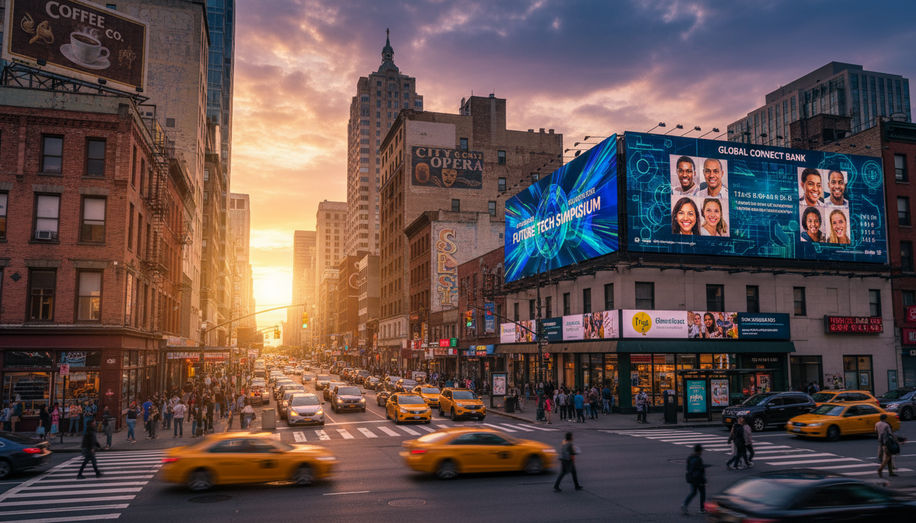

For traditional out-of-home buyers accustomed to negotiating fixed placements and static creatives, transitioning to programmatic digital out-of-home (DOOH) represents a seismic shift toward automation, precision targeting, and real-time agility. Programmatic DOOH automates the buying and selling of digital screens through demand-side platforms (DSPs) that connect to supply-side platforms (SSPs), enabling advertisers to bid on impressions based on audience data, contextual triggers, and performance metrics rather than predefined slots. This model delivers efficiency and transparency, allowing campaigns to adapt dynamically—much like online display advertising—while harnessing the physical impact of large-format screens in high-traffic environments.
The journey begins with understanding the core differences from legacy OOH workflows. Traditional buys involve manual negotiations, limited location-based targeting, and inflexible static vinyl or posters that demand weeks of production and installation. In contrast, programmatic DOOH supports digital, video-rich creatives uploaded instantly to thousands of screens, with buying occurring in real-time or via guaranteed deals. Budgets stretch further through impression-level precision, where ads serve only to relevant audiences, avoiding wasteful share-of-voice across uninterested passersby. Agencies testing platforms like those from Vistar Media or StackAdapt report streamlined operations, integrating DOOH into omnichannel mixes alongside mobile and display for unified reporting.
Step one: Assess readiness and select a DSP. Traditional buyers should start by auditing their current campaigns for digital potential—focusing on venues already equipped with screens, such as transit hubs, retail spaces, or roadside billboards. Choose a DSP as your command center; these platforms handle planning, buying, creative management, and analytics in one interface. Look for features like visual inventory discovery, where maps and filters reveal screens by location, venue type (e.g., bus shelters, elevators, gyms), and potential impressions. Omnichannel DSPs, such as Hivestack or those from Perion, excel here, blending DOOH with other digital channels for seamless scaling. Prioritize providers with robust integrations to SSPs, ensuring access to premium inventory from multiple media owners.
Next, define objectives and targeting parameters. Pinpoint KPIs upfront—whether brand lift, foot traffic, or sales impact—to guide setup. Shift from space-based buying to impression-driven efficiency, leveraging predefined audience segments like new parents, frequent travelers, or pet owners built from demographic, behavioral, and psychographic data. Layer in dynamic triggers: weather conditions for seasonal promotions, time-of-day adjustments, sports scores, or local events to ensure contextual relevance. For instance, a soft drink brand might target screens overindexing for beverage buyers during heatwaves, mimicking the agility that drove an 18% revenue lift for Guinness via weather-responsive ads. Filter inventory by media owner or venue to align with creative formats, confirming high contrast and readability for each environment.
With parameters set, upload creatives and launch. Digital assets must be optimized for DOOH’s scale—short, high-impact videos or images that loop effectively without fatigue. DSPs enable real-time swaps, so test variations for audiences or locations, pausing underperformers instantly. Budget allocation becomes smarter: set bids, caps, and pacing rules for automated purchasing, favoring programmatic guaranteed deals for stable premium access or open auctions for broader reach. Traditional buyers benefit from starting small—pilot a single city or venue type to build confidence before expanding.
Optimization and measurement seal the transition. Monitor dashboards for metrics like verifiable impressions, audience reach, and attribution to outcomes such as store visits or salience lifts, closing the ROI gap long plaguing OOH. Adjust on the fly: reallocate spend from low-engagement screens or tweak triggers based on live data. Best practices include cross-channel synergy—pair DOOH with mobile retargeting for amplified effect—and regular platform training, as 80% of agencies experiment with multiple DSPs to refine workflows. Education demystifies challenges like inventory fragmentation, fostering adoption.
Challenges persist: not all screens are programmatic-ready, and pricing varies by screen size, location, and targeting sophistication. Yet, with DOOH’s growth—programmatic buys projected to rise significantly—early adopters gain a competitive edge. Agencies like Refuel emphasize continuous creative iteration and data partnerships for maximum ROI. For traditional OOH players, this roadmap transforms billboards from blunt instruments into smart, responsive media engines. By embracing DSPs, precise targeting, and agile execution, buyers unlock DOOH’s full potential: massive scale with pinpoint control, bridging outdoor heritage and digital future.