
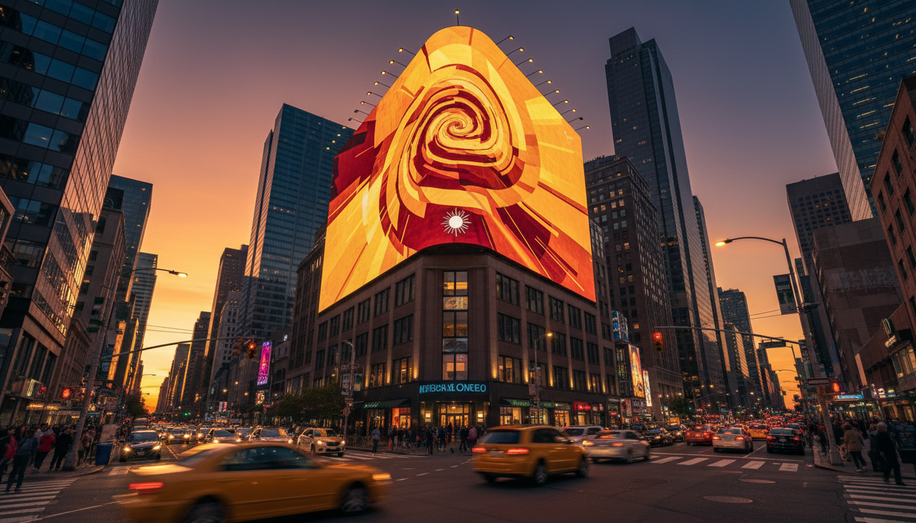

In the high-stakes world of modern marketing, out-of-home (OOH) advertising has evolved from a standalone spectacle into the indispensable launchpad for integrated campaigns, igniting initial awareness and priming audiences for a seamless cascade across digital and traditional channels. This “Launchpad Effect” positions OOH as the foundational spark that propels broader strategies forward, delivering massive visibility in real-world environments where consumers are unshielded from distractions. Unlike the algorithm-driven precision of online ads, OOH commands attention through sheer scale and immediacy, turning billboards, transit displays, and digital screens into public stages that announce a brand’s arrival with unignorable force.
Consider how OOH sets the tone before other media layers activate. Brands launching new products often deploy OOH first to flood urban landscapes, creating a sense of event-like urgency that fosters collective buzz. In competitive markets like Vietnam, this approach transforms a product introduction into a shared cultural moment, driving conversations, building credibility, and accelerating adoption by making the launch feel timely and inescapable. Research underscores this priming power: programmatic OOH (prOOH), when integrated early, amplifies digital touchpoints, boosting cross-channel persuasiveness by 1.5 times and attention by 1.4 times compared to siloed efforts. It’s not mere exposure; OOH embeds messages in the physical world, ensuring they linger top-of-mind as consumers transition to phones, social feeds, and connected TVs.
This sequential synergy shines in real-world executions. A Circana study of a campaign blending prOOH with audio and CTV reported a 2.5% sales uplift and positive ROI over six weeks, proving OOH’s role in reinforcing and elevating subsequent channels. Similarly, in Delhi NCR’s commuter-heavy corridors, OOH teasers on metro and bus panels—phrases like a beverage brand’s “Feeling the Heat?”—spark curiosity offline, then hand off to digital retargeting for conversions, multiplying ROI by over 2.5 times. The formula is deliberate: launch with OOH for broad, emotional reach; follow with digital for precision and interactivity. This handover leverages OOH’s large-scale visibility to fuel online actions, where geotargeting re-engages exposed audiences via mobile data, forging tailored yet captivating experiences.
Social media integration supercharges the effect, turning static OOH into dynamic amplifiers. Over two-thirds of adults notice OOH ads with hashtags, QR codes, or handles, and 52% say these elements boost their online engagement likelihood. Zendesk’s “Break Free” drone spectacle at a rival conference exemplifies this: hundreds saw it live via OOH, but hundreds of thousands amplified it through social shares, extending reach organically. Nearly half of adults report OOH influencing their social follows, with 45% adjusting behaviors accordingly, creating a feedback loop where physical ads generate user content that floods feeds. Shareable designs—bold visuals, clever slogans—invite snapshots, transforming passersby into advocates and sustaining momentum long after the initial sighting.
Programmatic advancements make this orchestration effortless. Platforms like Clear Channel’s LaunchPAD enable real-time OOH activation alongside digital buys, syncing timelines for teasers that roll out first on streets, then explode into social storytelling and influencer echoes. The result? Unified messaging across touchpoints: OOH builds recall through repetition and emotional pull, digital converts via data-driven interactivity, and measurement ties it all together. In fragmented attention economies, this integration cuts waste, enhances trust via consistency, and delivers measurable lifts—higher engagement, better targeting, superior ROI.
Critics might argue OOH’s mass-market bluntness lacks digital’s granularity, but data debunks this. When OOH leads, it doesn’t compete; it elevates the mix, shortening purchase paths and influencing real-world behaviors like store visits. A Harris Poll survey confirms its edge with urban youth, where OOH-social pairings drive action across diverse demographics. For brands, the imperative is clear: treat OOH as the strategic opener, not an afterthought. By sequencing it upfront, marketers craft ecosystems where awareness ignites offline, ignites digitally, and culminates in loyalty—proving the Launchpad Effect isn’t hype, but a blueprint for dominance in omnichannel warfare.