
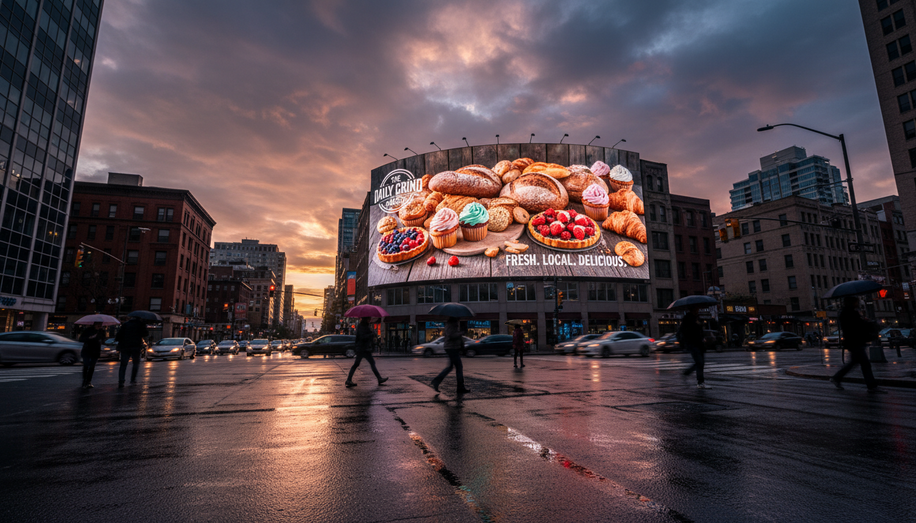

In an era where digital ads vie for fleeting online attention, out-of-home (OOH) advertising offers small and medium-sized enterprises a tangible, unskippable path to local dominance. For businesses constrained by tight budgets, OOH—encompassing billboards, street-level displays, and transit ads—delivers high-visibility impact at a fraction of the cost of broad digital campaigns, reaching thousands repeatedly in their daily routines. This resurgence is no anomaly; the 2025 Advertising Trends Report from OUTFRONT underscores OOH and its digital variant, DOOH, as proven attention-grabbers that foster lasting impressions, particularly for community-rooted ventures.
The appeal lies in OOH’s inherent hyperlocal precision, which levels the playing field against deeper-pocketed rivals. Unlike saturated digital feeds, OOH thrives in physical spaces where audiences commute, shop, or linger, building “mind share” that translates to market share. A coffee shop owner, for instance, can target morning rush-hour commuters with flash breakfast deals on DOOH screens near transit hubs, switching to iced drink promotions on scorching afternoons for real-time relevance. Streetside displays on benches, bus shelters, or newsstands amplify this by encouraging dwell time, allowing pedestrians to absorb details that drive immediate action. Even static options like posters and murals provide longevity—far outlasting print ads—while permitting creative flair, such as guerrilla placements involving local artists to blend into neighborhood aesthetics.
Budget-conscious owners must prioritize location as the cornerstone of affordability and efficacy. High-traffic arterials, shopping districts, schools, or pharmacies ensure exposure to the right eyes without sprawling national spends. Local OOH networks span highways, streets, and transit in major U.S. markets, enabling precise targeting of neighborhoods primed to support homegrown businesses. The majority of OOH ads already promote such local enterprises, fueling community economies with measurable returns. For small outfits, this means negotiating short-term rotations on digital billboards via platforms like Blip, which offer flexible, pay-per-day models that sidestep long contracts and minimize upfront costs.
Creative execution seals the deal, transforming modest investments into community magnets. Localization is paramount: infuse ads with regional landmarks, dialects, or pride points to resonate deeply. A bakery near a bustling market might feature a mural of the town’s iconic clock tower laden with fresh loaves, invoking shared traditions. Adapt to the environment—bold, simple visuals for highway speed; interactive QR codes or hashtags for pedestrian zones to bridge OOH with social media and websites. Retail collaborations extend reach affordably: partner with a neighboring store for window displays or cart ads, turning a competitor’s foot traffic into your sales pipeline. Pharmacy screens near health clinics, for example, pair contextual messaging with broad billboards for layered impact.
These tactics not only stretch dollars but ignite engagement. Dynamic DOOH allows weather-tied promotions or event-driven updates, keeping content fresh without redesign fees. Guerrilla murals foster buzz, drawing social shares that amplify free organic reach. Data from industry leaders like Intersection highlights OOH’s street-level edge for hyperlocal success, predicting sustained growth as consumers crave authentic, real-world connections. Mediagistic’s tailored placements further democratize access, with expert guidance ensuring ads land where audiences live and play.
Challenges persist—permitting hurdles or weather exposure demand due diligence—but the ROI speaks volumes. Small businesses report standing out via OOH’s unignorable presence, connecting meaningfully where digital falls short. A well-placed campaign might cost hundreds weekly yet yield thousands in repeat exposure, reinforcing brand recall in ways algorithms can’t match. For the local restaurateur, retailer, or service provider, OOH isn’t extravagance; it’s strategic necessity. By honing locations, localizing messages, and layering digital hooks, SMEs unlock outsized impact, proving that in the real world, visibility breeds loyalty—one passerby at a time.