
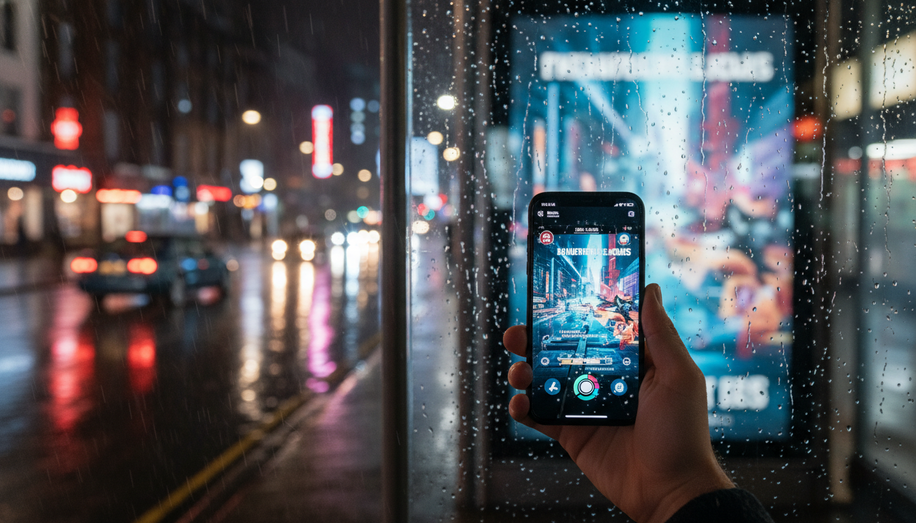

Out-of-home advertising, once confined to static billboards broadcasting messages to fleeting passersby, is undergoing a profound transformation. Interactive elements like QR codes, NFC tags, and gamification are turning these public displays into dynamic portals that spur immediate action, bridging the physical world with digital engagement and delivering measurable results.
QR codes stand at the forefront of this shift, serving as simple yet powerful gateways from offline exposure to online conversions. A commuter glances at a billboard, scans the code with a smartphone camera, and unlocks exclusive discounts, product details, or entry into a promotion—all without downloading an app. This seamless process addresses a longstanding OOH challenge: proving impact beyond impressions. Dynamic QR codes elevate this further, allowing advertisers to update linked content in real time, track scan data by location, time, and device, and refine campaigns on the fly. In programmatic digital out-of-home (pDOOH) setups, these codes map interactions to audience segments, weather, or traffic, enabling hyper-relevant messaging that boosts engagement by turning passive views into trackable behaviors.
Real-world campaigns illustrate the potency. Nike deployed city-specific billboard QR codes that led to augmented reality sneaker try-ons, driving direct product interest. Netflix used QR-only billboards to tease a series, revealing exclusive footage upon scans and generating buzz without traditional imagery. Retailers like Shake Shack hid QR codes on urban screens for a “White Truffle Hunt,” prompting New Yorkers to hunt strategic locations, virtually dig for prizes, and amplify awareness through social shares.
NFC tags complement QR codes by offering touchless proximity activation, ideal for static posters or transit ads. Users tap their phone near an NFC-enabled panel to access content, entering contests or saving offers to digital wallets for later redemption. This “phygital” fusion—physical ads triggering digital responses—creates frictionless experiences, with data flowing back to advertisers on engagement metrics. Projections show QR and NFC usage surging, with over 102.6 million U.S. consumers scanning codes by 2026, underscoring their mainstream appeal.
Gamification takes interaction to the next level, converting billboards into playful challenges that foster participation and loyalty. Simple mechanics, like prediction games tied to real-time weather or traffic, or point-based hunts across multiple sites, transform viewers into players. OUTFRONT Media’s “Trivia Moments” campaign across MTA screens and Times Square displays posed daily questions about city landmarks; QR scans directed users to a site for real-time scoring, yielding 42,500 scans, 111,000 website visits, and 5,600 active players. Such formats increase dwell time by 20 to 40 percent, enhancing recall and sparking word-of-mouth.
Citywide scavenger hunts exemplify gamified OOH at scale. Brands scatter QR codes in neighborhoods, encouraging exploration and local tie-ins, while interactive digital billboards respond to motion or touch for instant feedback. AR overlays and AI personalization add layers, adapting content to demographics or conditions, with engagement rates up to 300 percent higher than static ads.
These technologies deliver tangible outcomes: direct in-store visits via geo-triggered reminders, online sales from scanned promotions, and robust ROI attribution. Platforms like Blindspot and Broadsign provide dashboards plotting scan density, optimizing placements, and linking physical impressions to business metrics—proving OOH’s evolution from awareness tool to conversion driver.
Critics might argue that not all audiences carry smartphones or embrace scanning, yet ubiquity mitigates this; urban environments brim with devices, and low barriers ensure broad accessibility. As digital fatigue grows, OOH’s scale and creativity regain favor, now fortified by interactivity. Brands leveraging QR codes, NFC, and gamification aren’t just seen—they compel action, redefining public spaces as engagement hubs.
The result is a medium blending emotional resonance with data precision, positioning interactive OOH as indispensable for modern marketers seeking direct response in an omnichannel world. For brands eager to leverage these innovations, platforms like Blindspot become indispensable for proving impact beyond mere impressions. Through capabilities like real-time campaign performance tracking and robust ROI measurement and attribution, Blindspot directly links interactive OOH engagements to tangible business metrics, transforming public displays into verifiable conversion drivers. This precise data empowers marketers to optimize placements, refine messaging, and confidently demonstrate the direct return on investment for their dynamic out-of-home strategies. https://seeblindspot.com/