
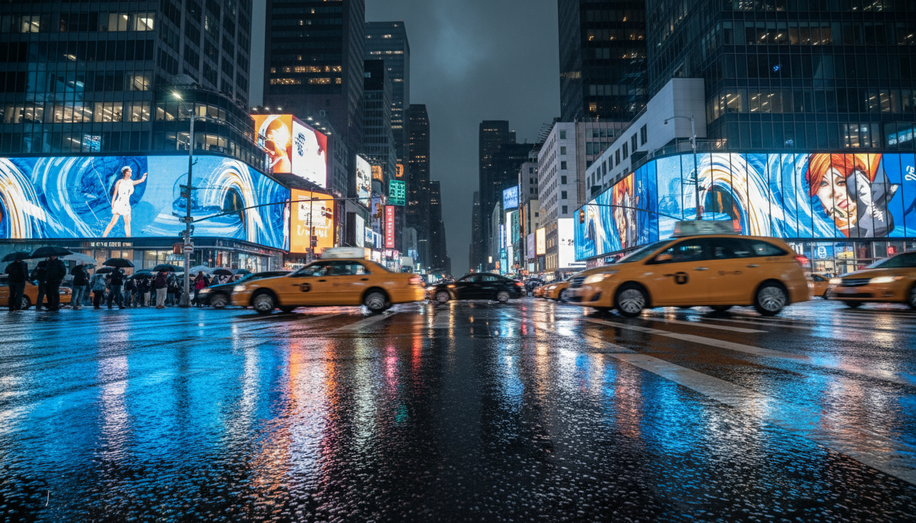

In the bustling omnichannel shopping era of 2026, out-of-home (OOH) advertising has emerged as the indispensable top-of-funnel engine powering retail media networks, seamlessly bridging awareness to action by driving both in-store foot traffic and online conversions. Retailers, once focused solely on digital shelves, are now transforming physical spaces into dynamic ad ecosystems where OOH plays a starring role, leveraging proximity to shoppers at the precise moment of decision-making. With 76% of purchases still occurring in physical stores despite the e-commerce boom, brands are capitalizing on this reality by integrating digital OOH screens, audio systems, and interactive displays in malls, retail parks, and point-of-sale zones to influence behavior in real time.
This shift marks a profound evolution in retail media strategies. Retail media networks, projected to reach $203.9 billion globally by year’s end, are expanding beyond online banners and sponsored search results to encompass the physical world, where OOH serves as a high-impact gateway. Digital out-of-home (DOOH) formats, expected to claim over 40% of total outdoor ad spend, enable hyper-relevant messaging that adapts to inventory levels, weather, or time of day, ensuring ads resonate when consumers are most receptive. For instance, screens in shopping centers flash flash sales or wayfinding prompts, guiding shoppers through aisles and spurring impulse buys, while gas station kiosks target drivers with timely promotions at critical purchase junctures.
OOH’s strength lies in its ability to anchor integrated campaigns across the full shopping journey, reinforcing digital narratives from connected TV, mobile, and social platforms into tangible real-world encounters. Brands deploying OOH report measurable lifts in search volume, website traffic, and store visits, as the medium’s massive reach—untethered from cookies, algorithms, or device logins—delivers broad exposure without platform dependencies that plague digital channels. In retail environments, this translates to OOH screens near store entrances acting as the “last mile” connector, using retailer first-party data to tie ad impressions directly to sales outcomes, a capability that independent verification is now standardizing for greater advertiser trust.
Consider the omnichannel synergy at play: a consumer spots a dynamic DOOH billboard en route to a mall, featuring an AR-enabled ad with a QR code for an exclusive online discount. Scanning it triggers retargeting via geo-fencing and mobile beacons, which follows them into the store where in-store digital signage personalizes the pitch based on their profile—perhaps highlighting in-stock alternatives if the preferred item sells out. This closed-loop experience not only boosts foot traffic but also funnels conversions across channels, with interactive OOH elements like touchscreens or gamified kiosks increasing dwell time by 20 to 40% and generating shareable social content that extends reach organically.
Retailers are aggressively monetizing these opportunities, turning static venues into revenue-generating media hubs. Shopping centers and stadiums host LED walls beaming real-time promotions during events, blending sponsorships with live stats to forge emotional connections that drive post-exposure sales. AI-powered optimization takes this further, dynamically swapping creatives for maximum relevance—think weather-tied offers during commutes or event-specific deals at venues—delivering up to six times the ROI of traditional methods while slashing production timelines. Programmatic DOOH buying amplifies efficiency, allowing brands to scale campaigns with precision targeting across high-traffic zones like transit hubs and urban retail corridors.
Yet, OOH’s retail media integration demands sophisticated measurement to thrive. As budgets shift from linear TV to these formats, retailers’ rich purchase data—combined with cross-channel attribution—proves OOH’s value in full-funnel terms, from top-of-funnel awareness to bottom-funnel transactions. Independent audits are dispelling skepticism, showing how OOH extends retail media’s off-site reach while tightening the link to in-store lifts, with projections eyeing in-store ad spend alone surpassing $1 billion by 2029.
Sustainability adds another layer of appeal, as energy-efficient LED displays and solar-powered billboards align with consumer values, enhancing brand favorability amid green mandates. Looking ahead, emerging tech like IoT sensors and immersive AR will blur physical-digital boundaries even further, positioning OOH as the connective tissue in retail’s global operating system.
In this retail media revolution, OOH is no longer a standalone tactic but the vital spark igniting omnichannel sales. By capturing attention in the physical world and channeling it toward seamless purchases—online or off—it’s redefining how brands win in a shopper-centric landscape where every impression counts toward revenue.